Cherry Hill, NJ · Garage Door Service
Serving Cherry Hill and nearby towns like Cinnaminson and Moorestown, we fix garage doors built for pre-1960 housing stock and cold-climate wear.
What We Do
From a snapped spring to a full door replacement - one local crew, upfront pricing.
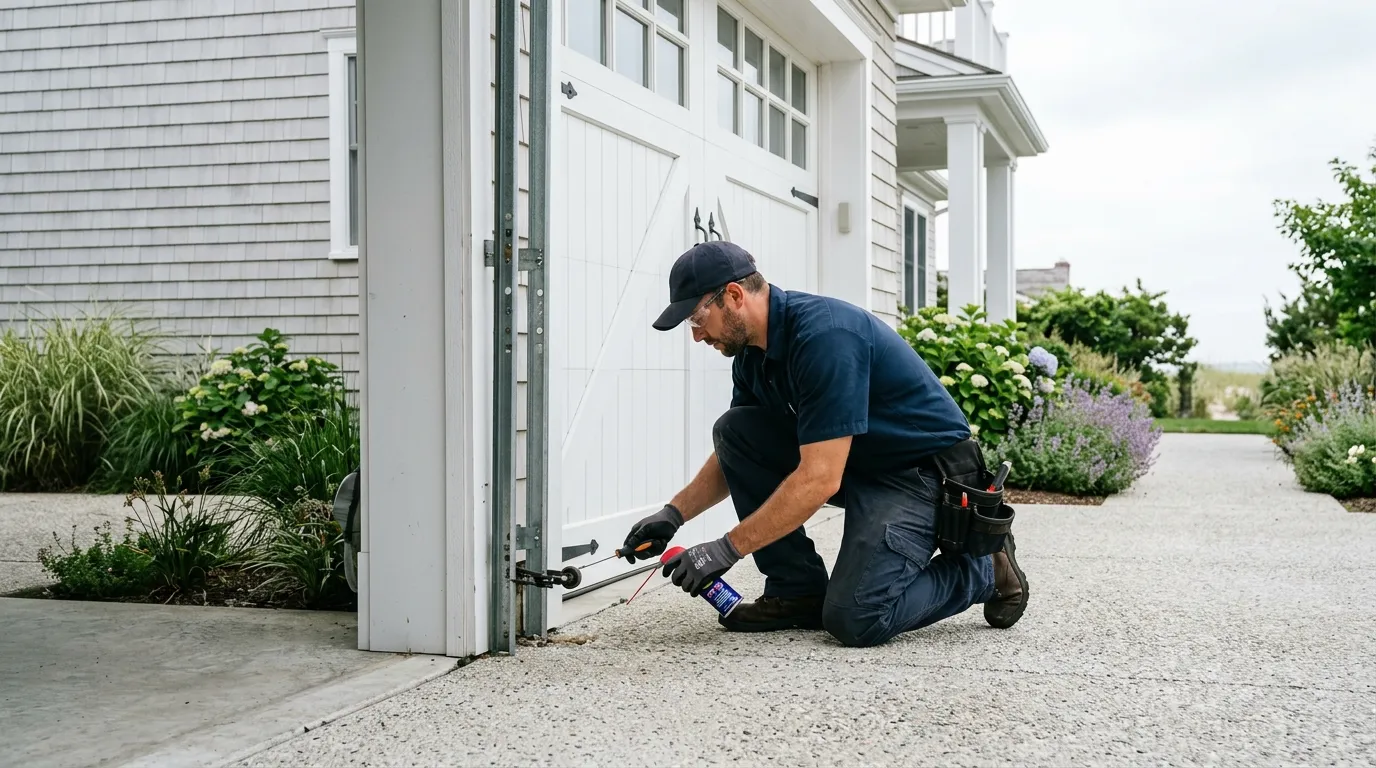
Off-track doors, snapped cables, bent panels and grinding openers - diagnosed and fixed.
Learn more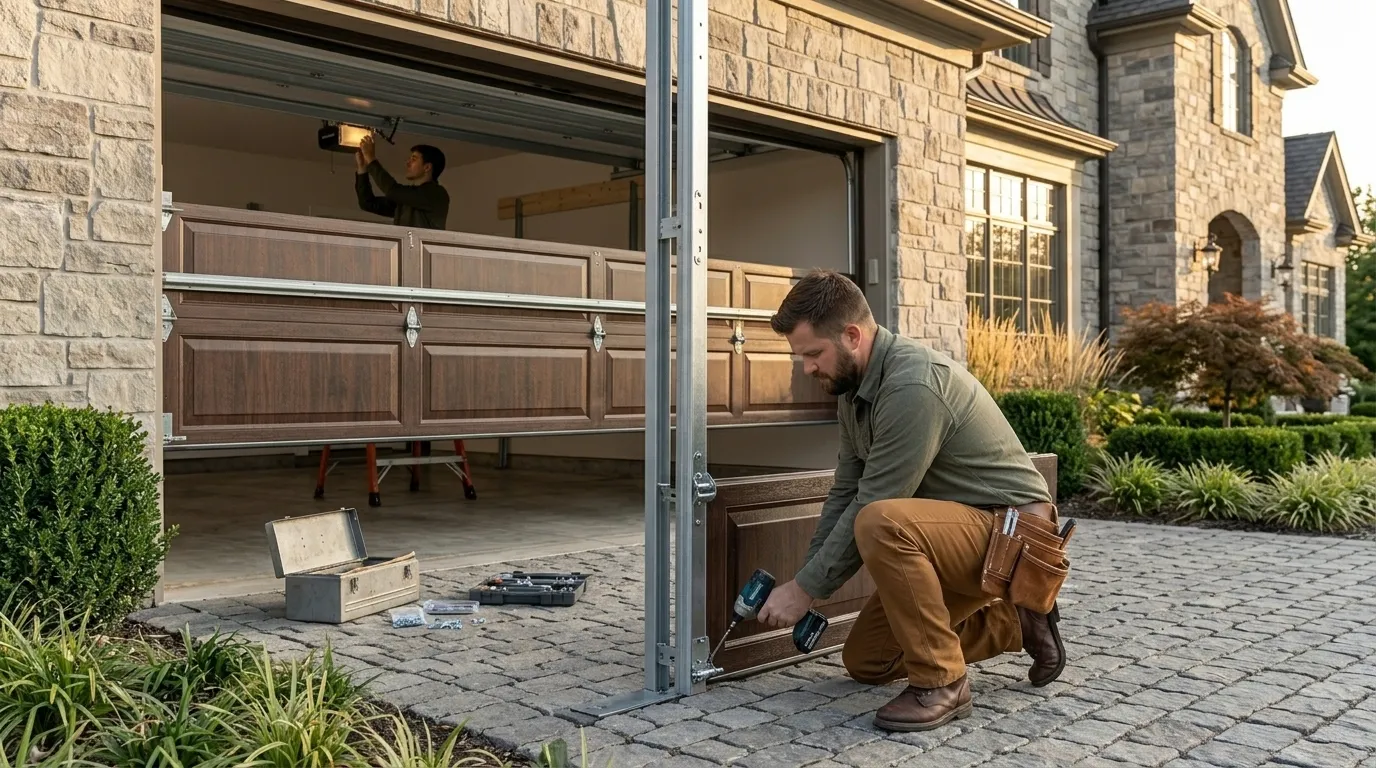
Torsion and extension springs replaced safely - the job you should never DIY.
Learn more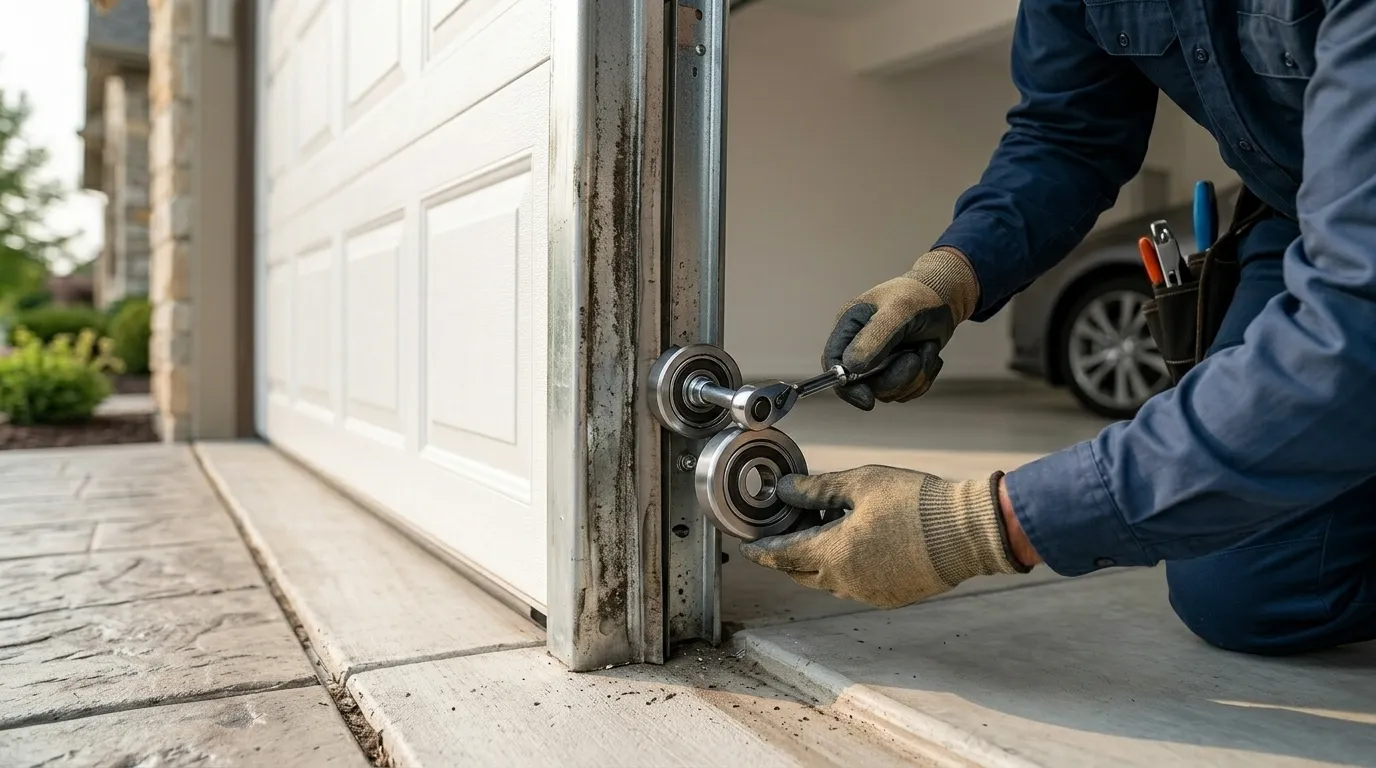
Doors jumped the track re-set, aligned and re-tensioned so they run true.
Learn more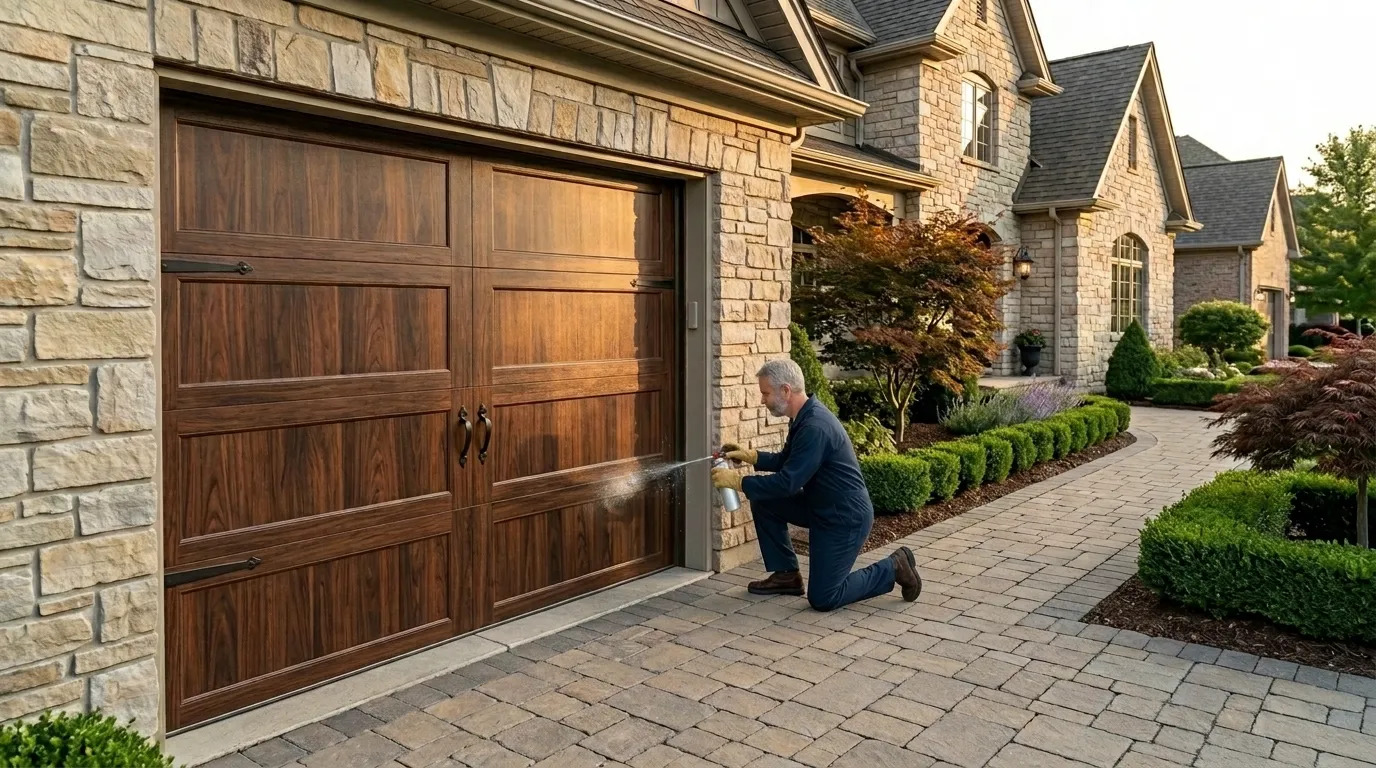
Worn nylon or steel rollers replaced to kill the grinding and shaking.
Learn more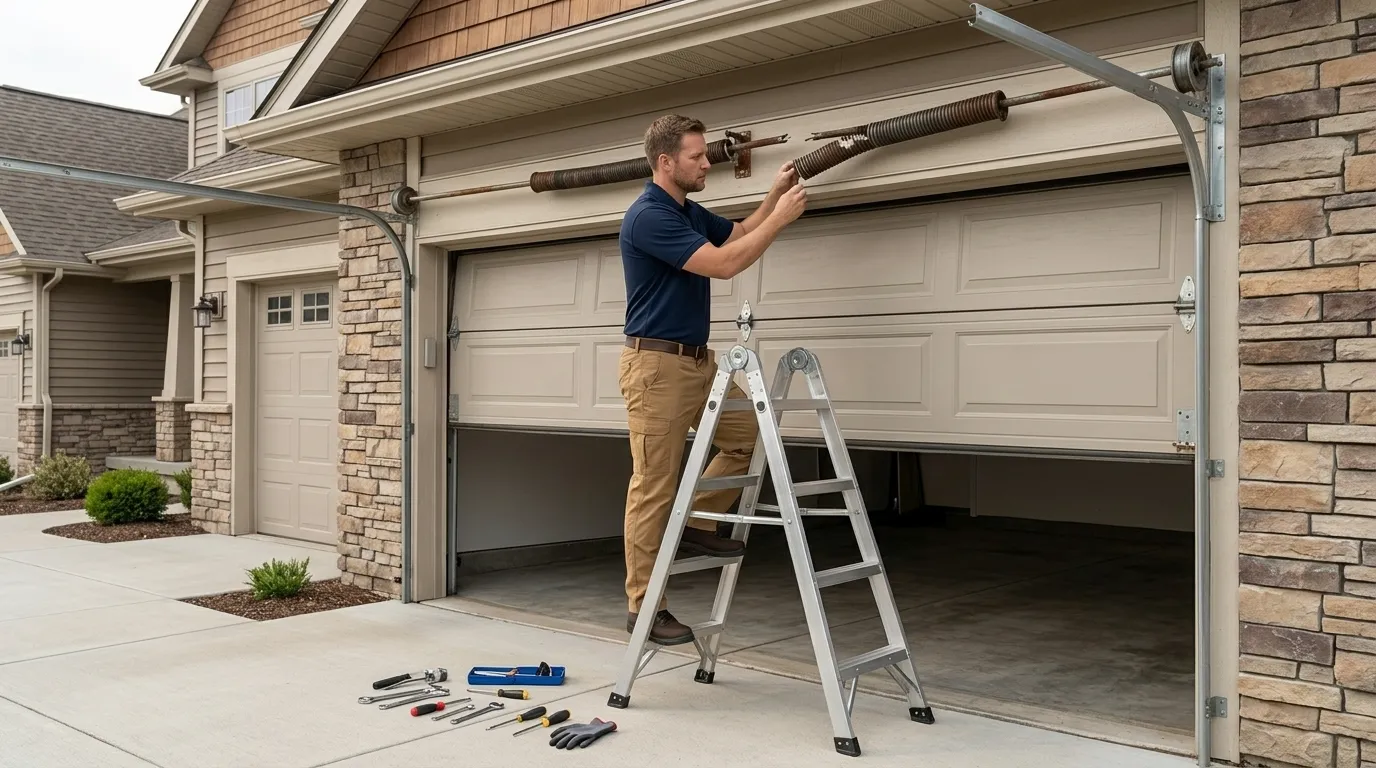
Spring tension, roller and track service that keeps an older door running quiet.
Learn more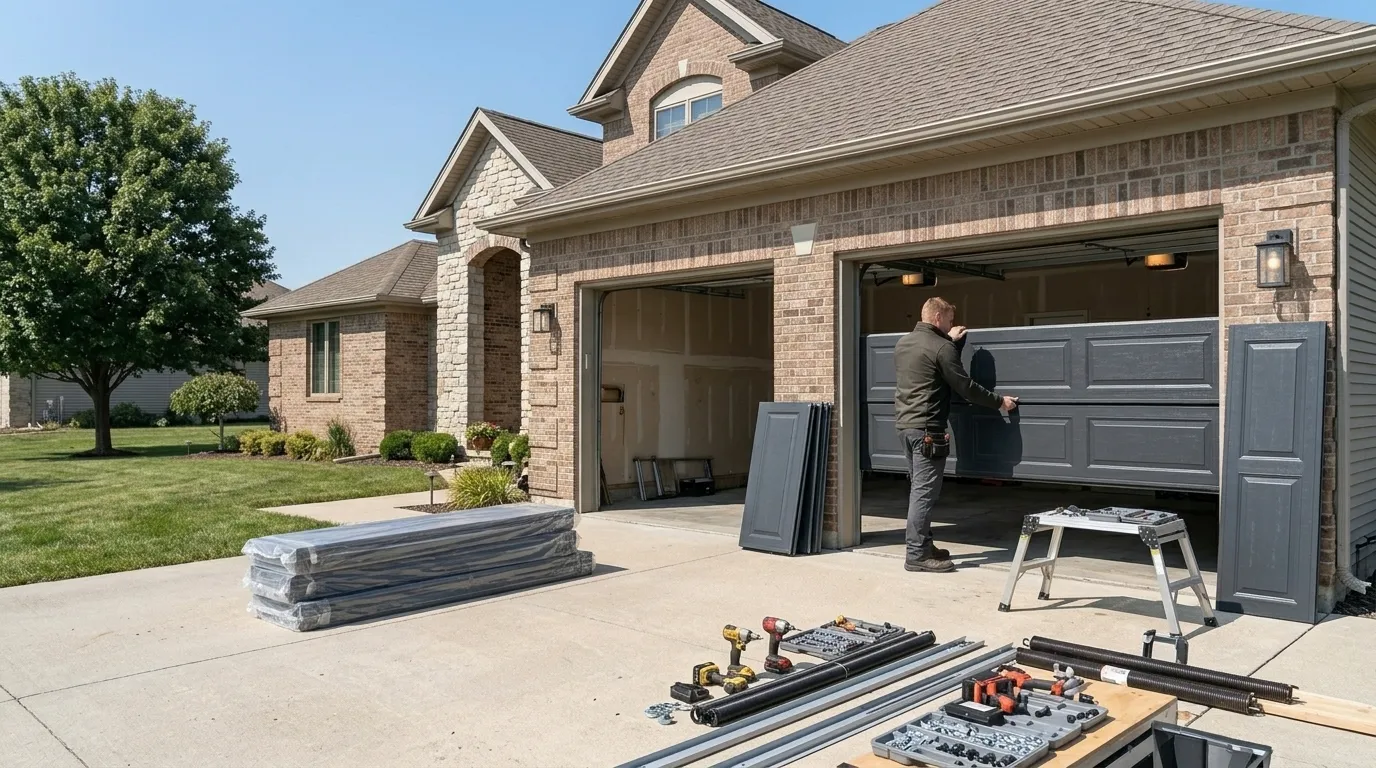
Rolling steel, sectional and high-cycle doors for shops, warehouses and lots.
Learn moreFast Response
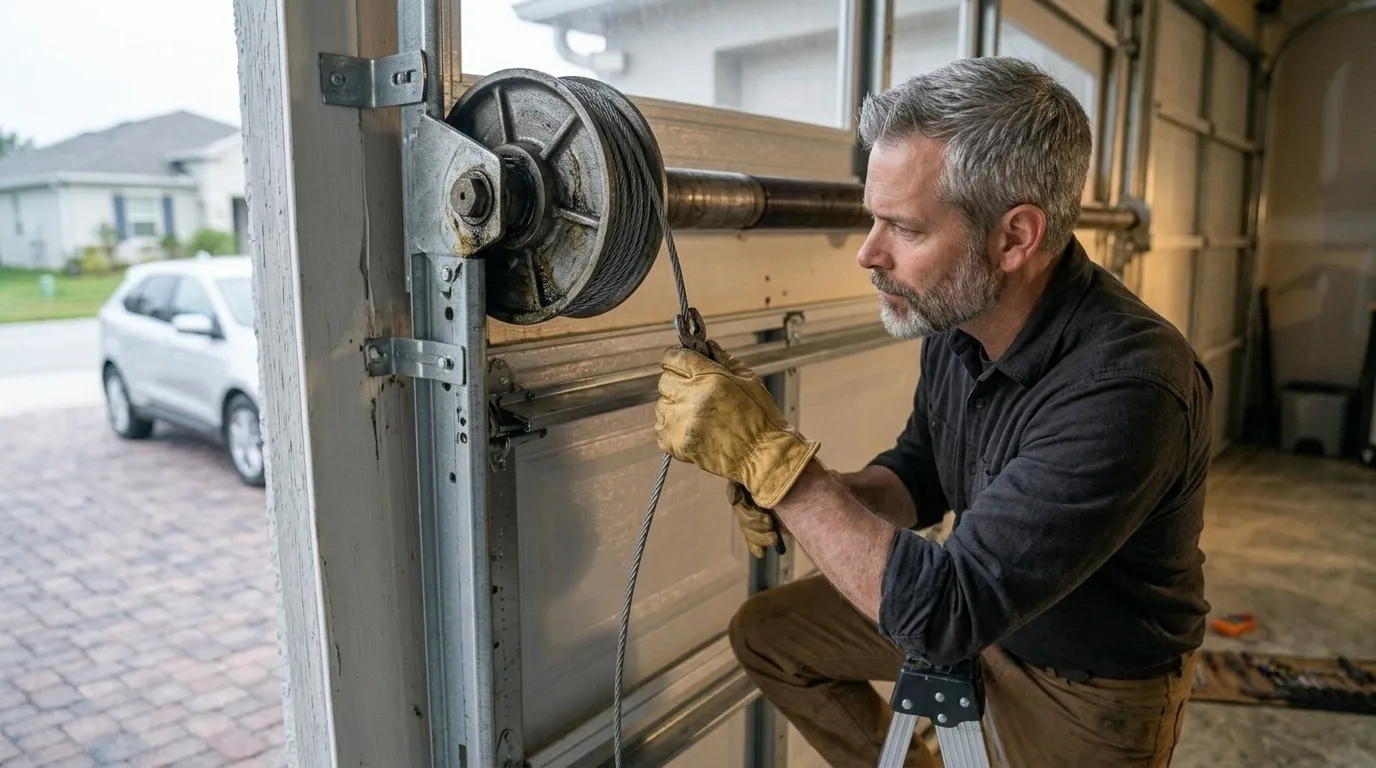
A stuck or broken garage door can't wait. Call before the afternoon and we can usually be out the same day - most repairs are diagnosed and finished on the first visit, with an upfront price before any work starts.
 Same-day service
Why Cherry Hill Calls Us
Most repair calls are handled the same or next day - springs and openers don't wait.
Trained techs, proper spring tools, and the insurance to back the work.
A written quote at the door before any work starts - no surprise add-ons.
We diagnose the actual cause, not just the symptom, so the door stays fixed.
Fully stocked trucks mean most repairs are finished on the first visit, no second trip.
A Cherry Hill-based team you can reach directly, not a national call center.
How It Works
Call or request a quote and describe what the door is doing - noise, off-track, won't open.
A tech inspects the springs, tracks, opener and panels and gives you a written price first.
Most repairs are done on the same visit; installs are scheduled around you.
Our Work
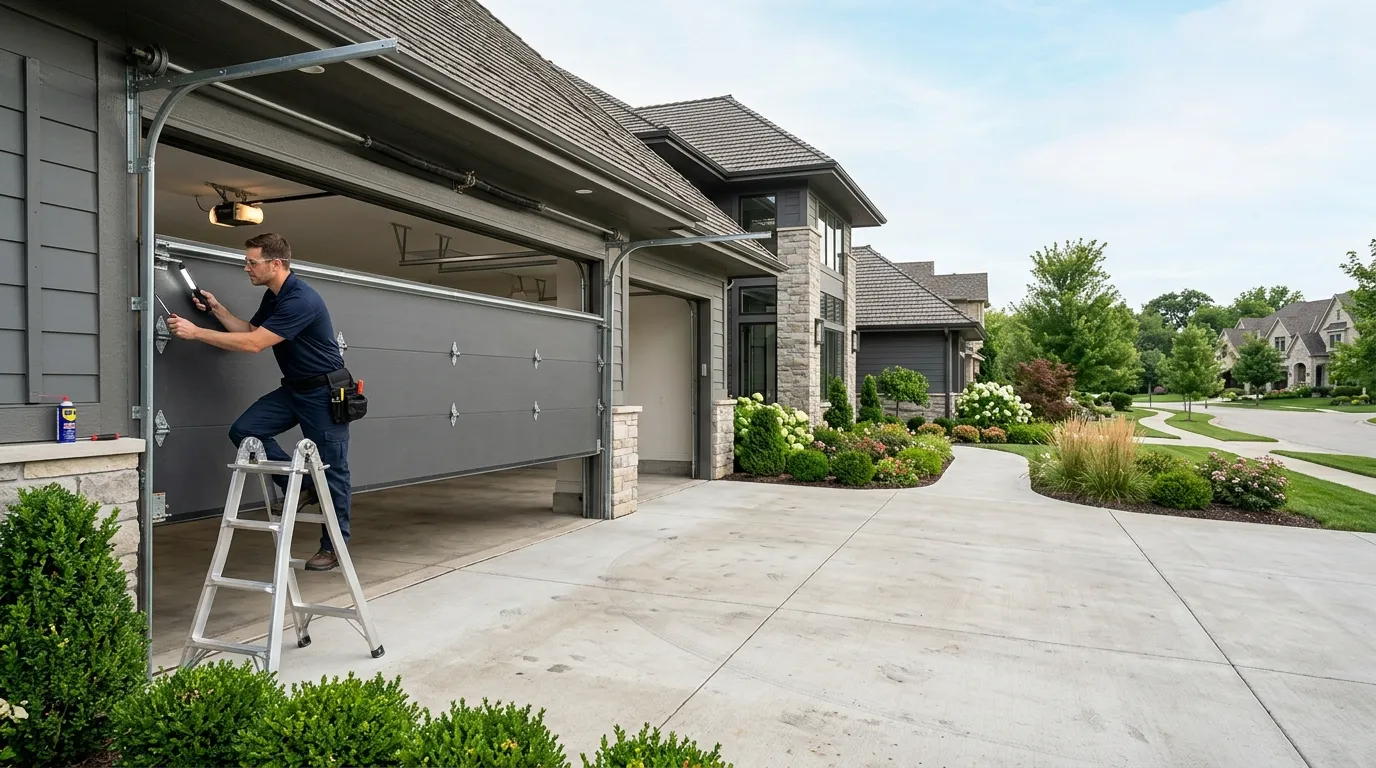
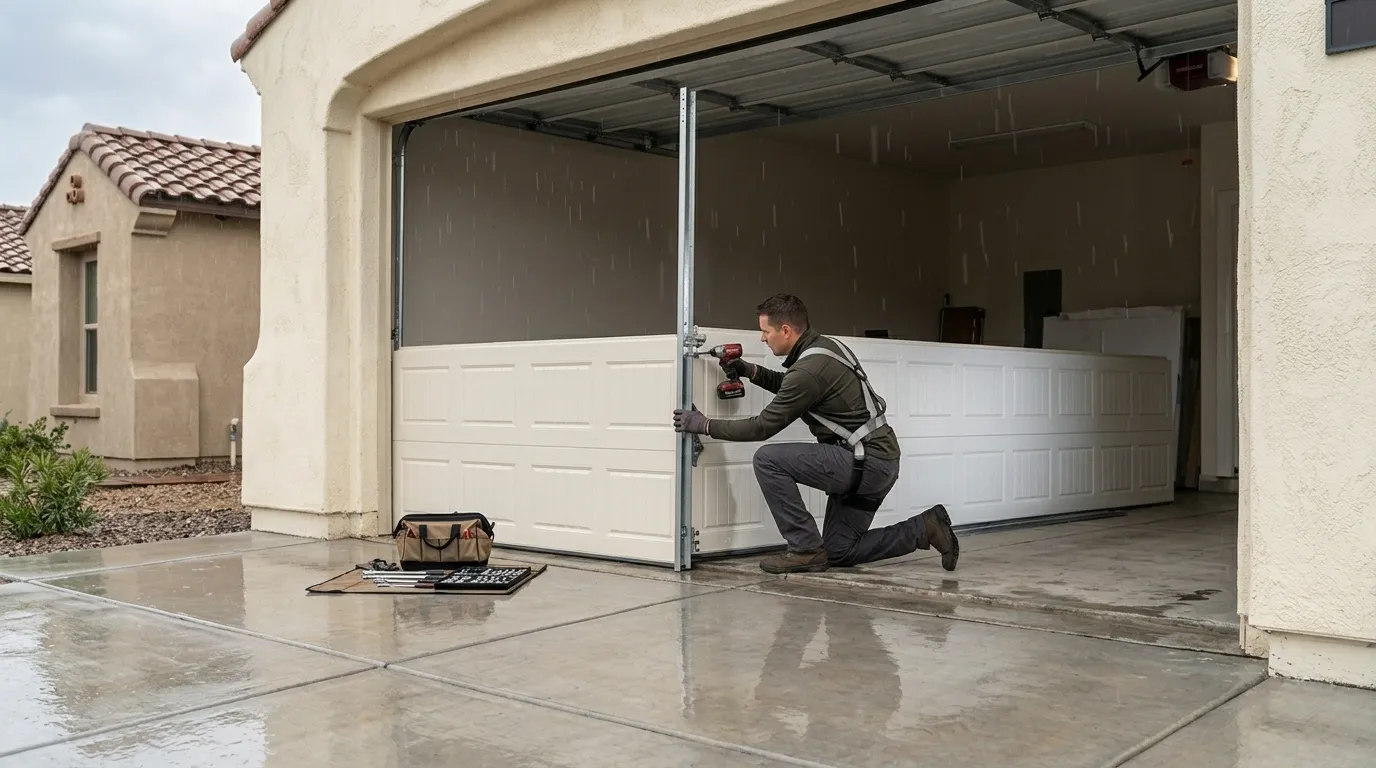
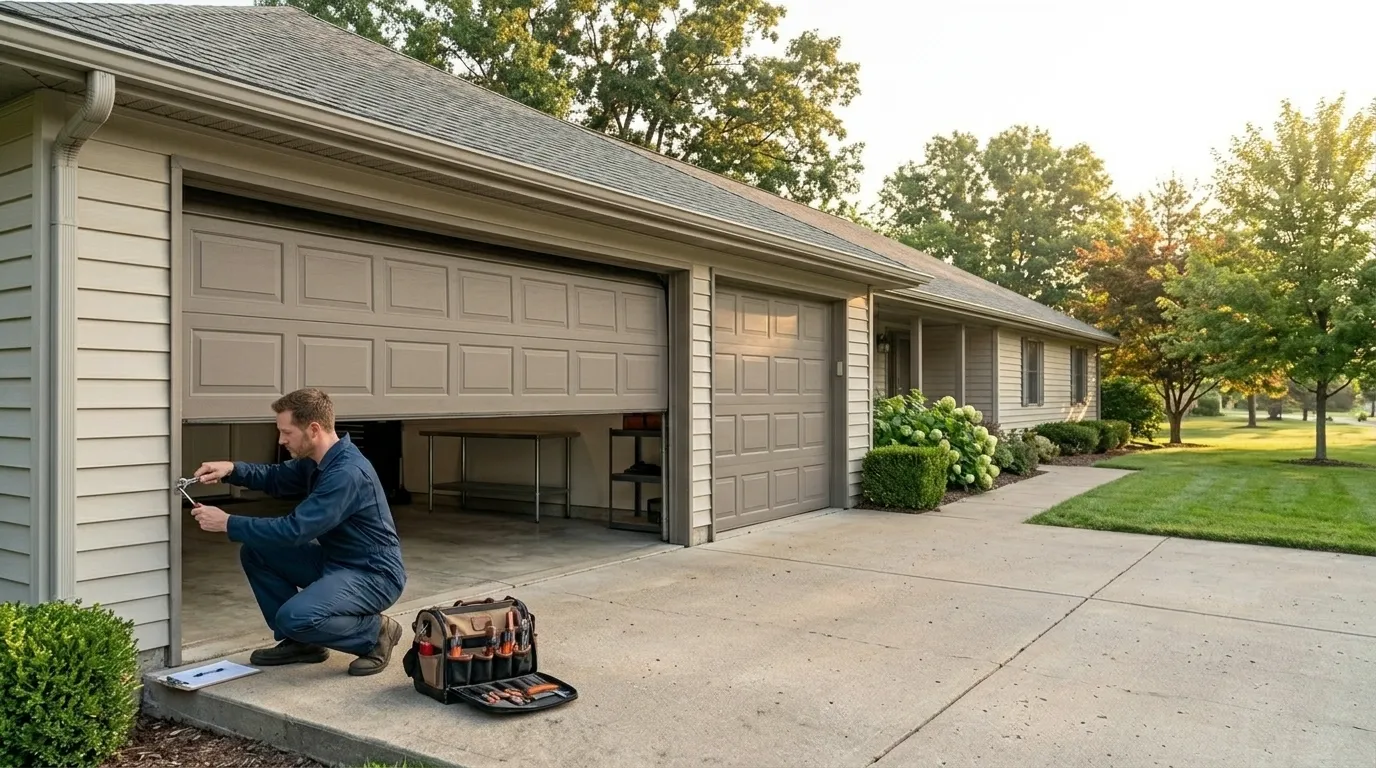
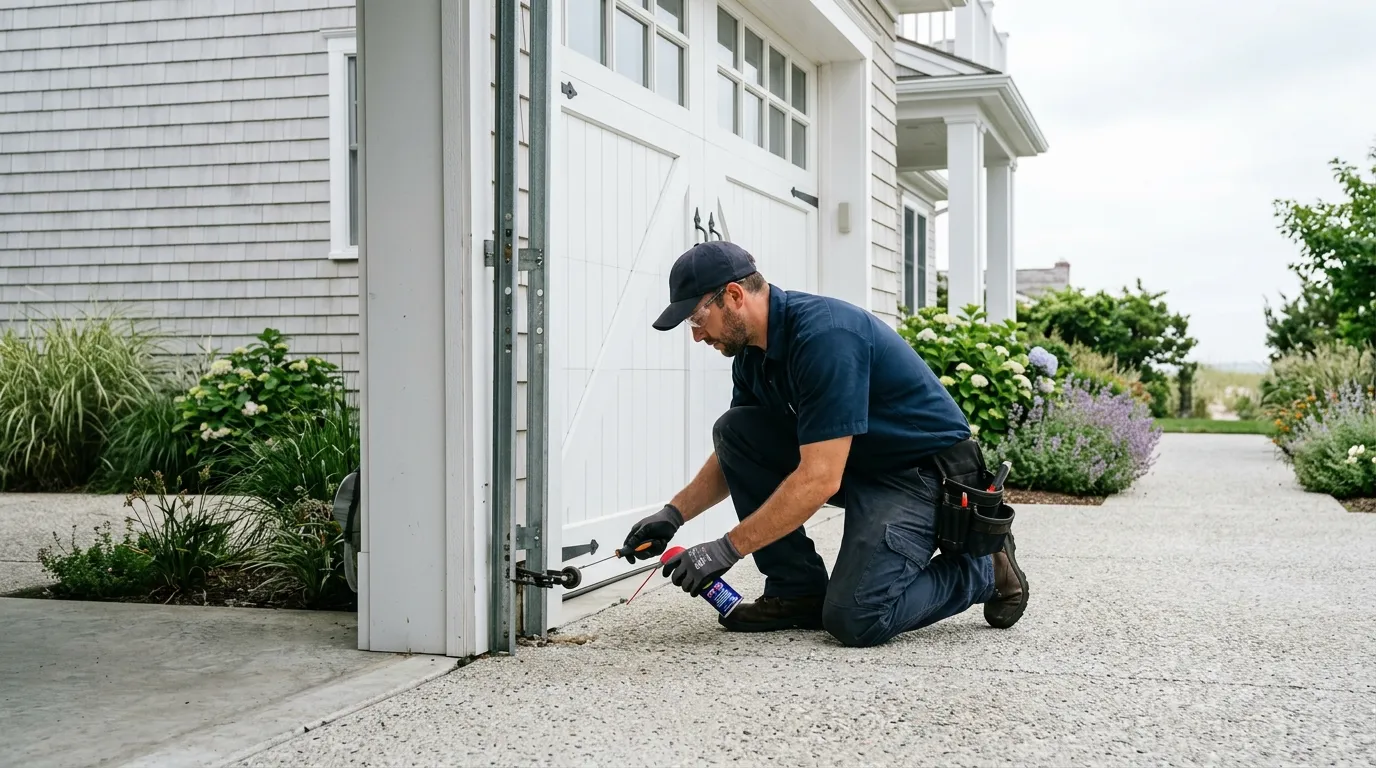
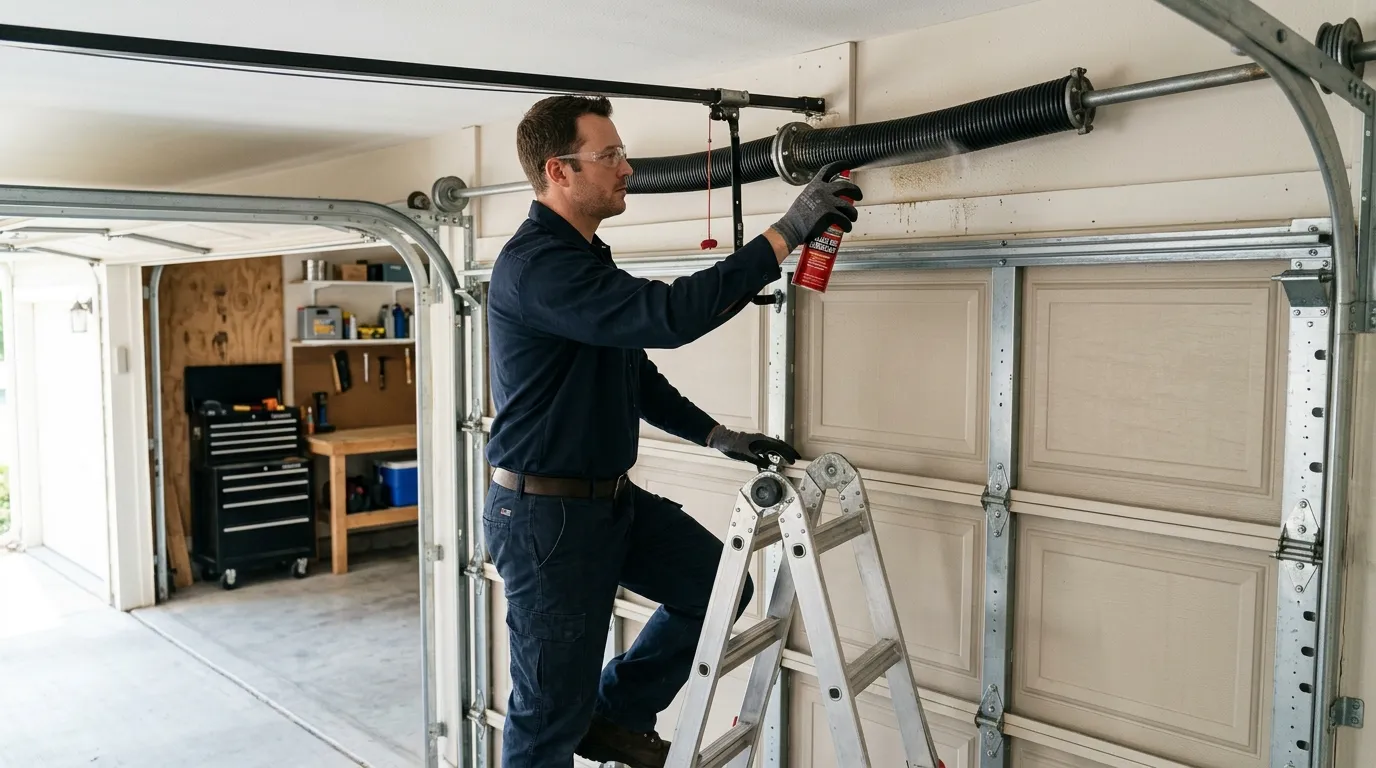
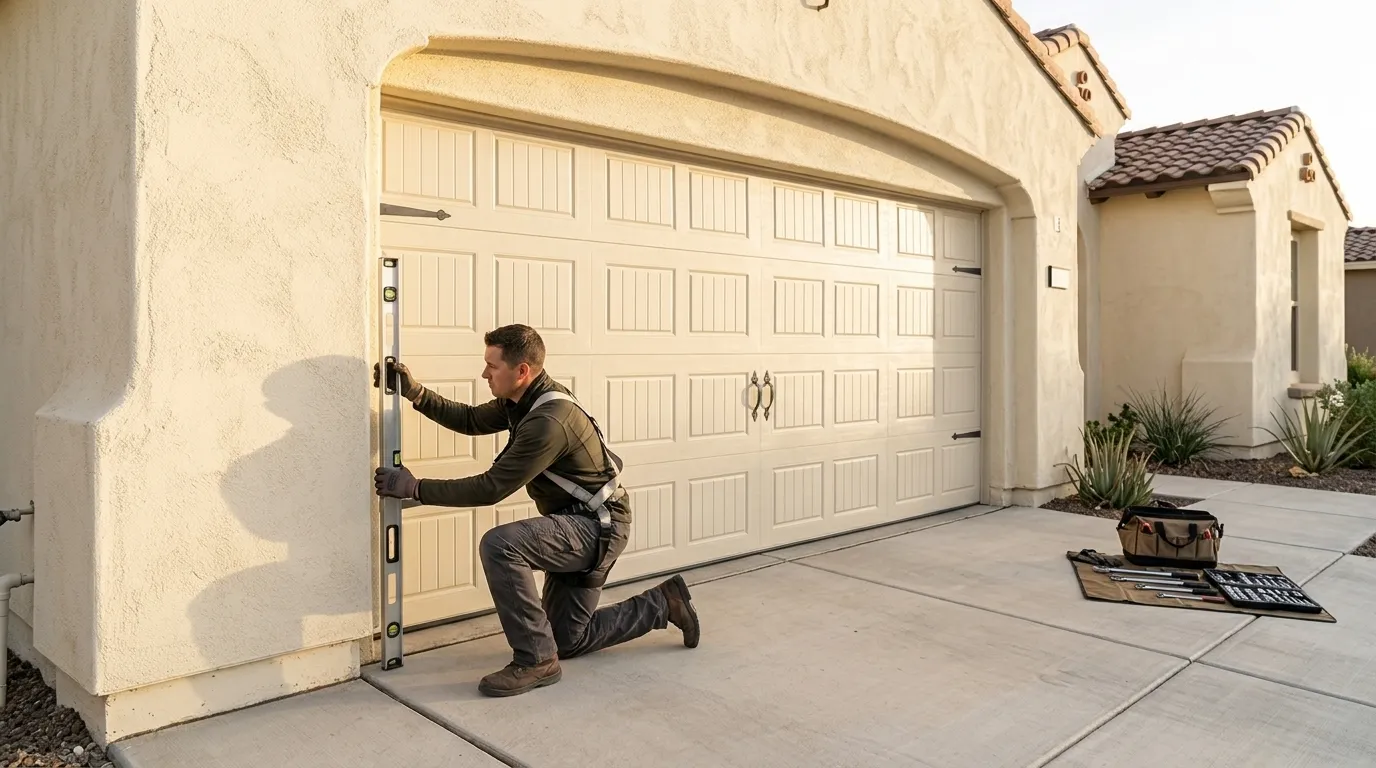
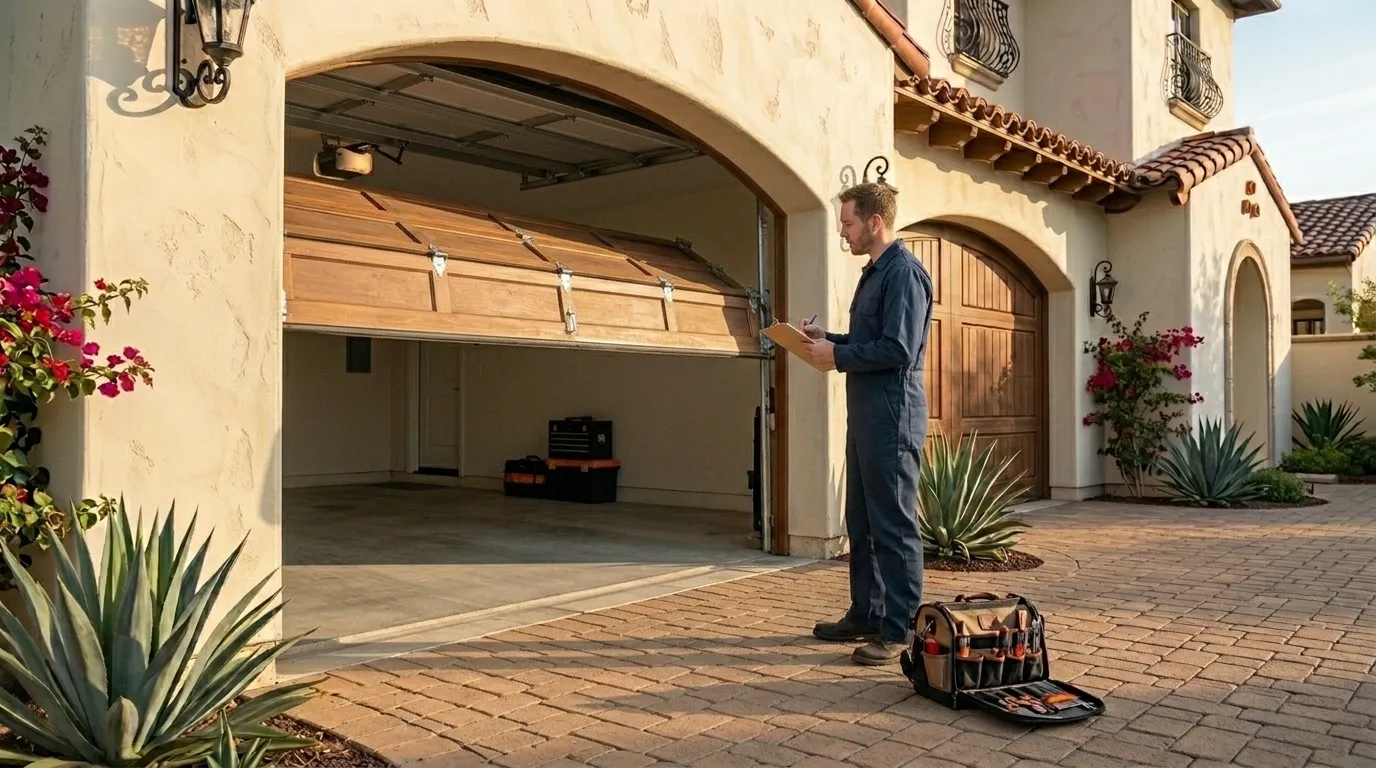
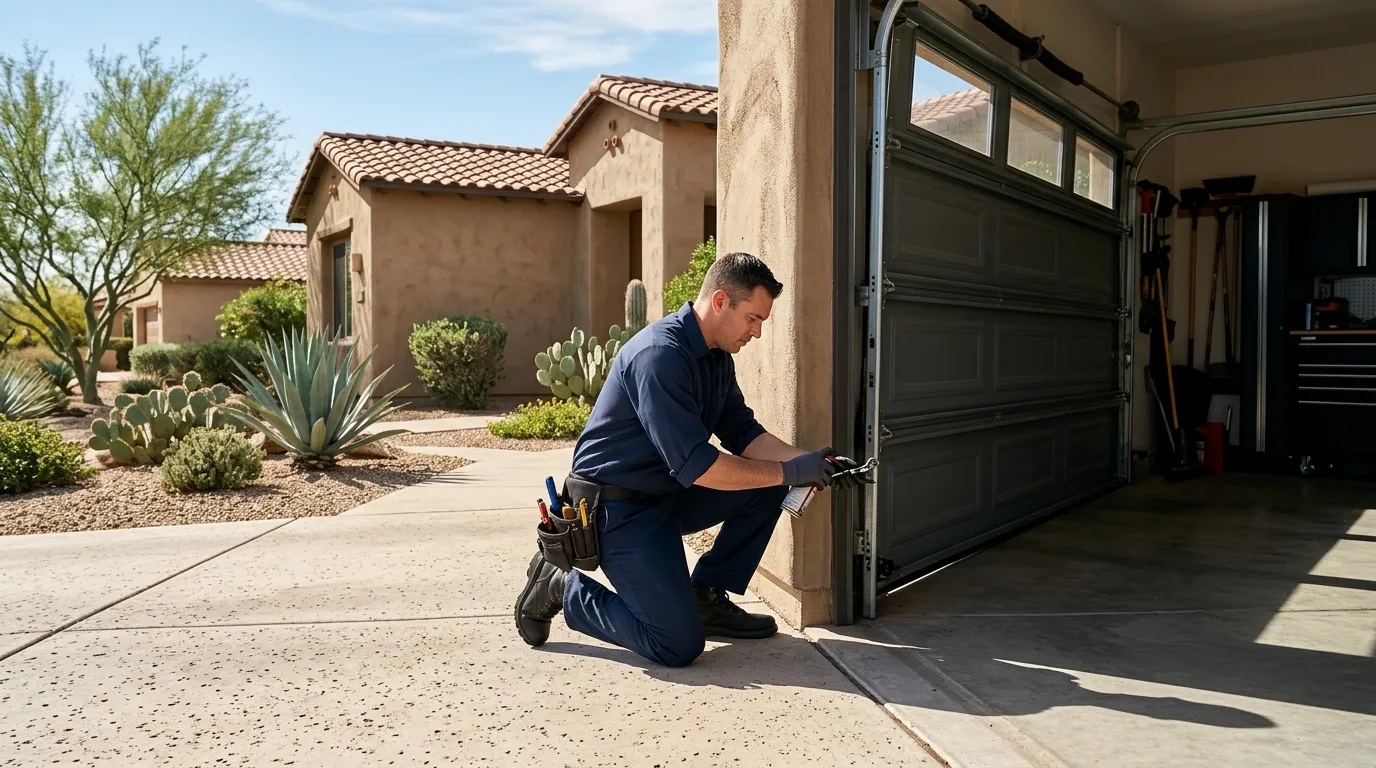
A look at doors, openers and springs we've installed and serviced across the Cherry Hill metro.
Where We Work
Neighborhoods across the city and suburbs around the metro. Not sure if we reach you? Just ask.
Local Expertise
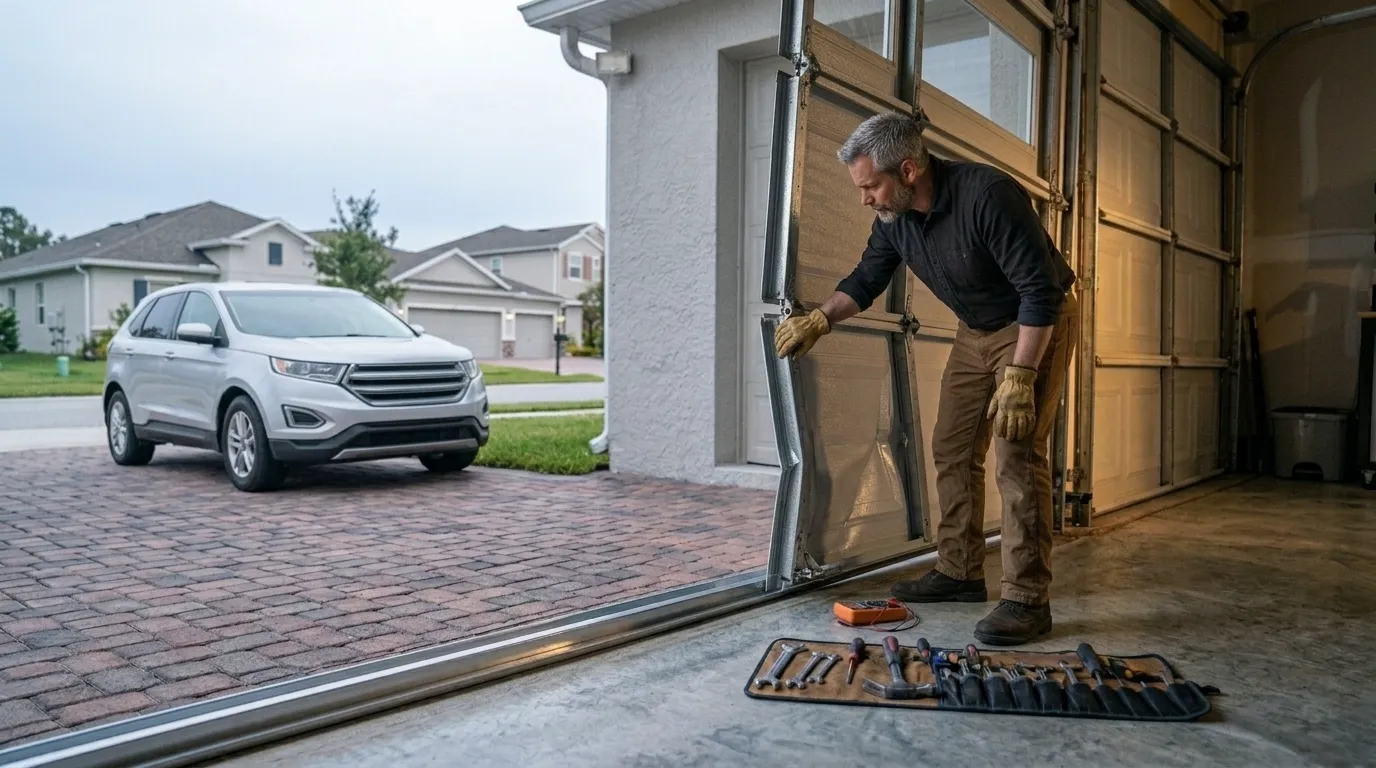
You're not paying for a truck to show up. You're paying for someone who knows what's behind the door before he opens the panel. Most of the houses in this area went up between 1938 and 1997, with the median build year sitting at 1956, and that means a lot of original hardware still bolted to the jamb - torsion springs sized for doors that weigh more than what's sold today, tracks mounted to framing that's shifted a half-inch over sixty-some years. We charge for diagnosing that correctly the first time, not for guessing and coming back. Across the 86 named areas we work in, the housing skews pre-1960, so the parts on your door are frequently not the parts on the shelf at the big box store. That changes what a fair repair costs, and it's worth knowing going in. We also serve the towns within a short drive - Cinnaminson, Riverton, Moorestown, Delran, and out to Riverside, Delanco, Willingboro, and Bensalem - where the same building era shows up house after house. What you pay for is someone who's already seen your specific spring, track, or opener problem on a house just like yours, not a stock estimate.
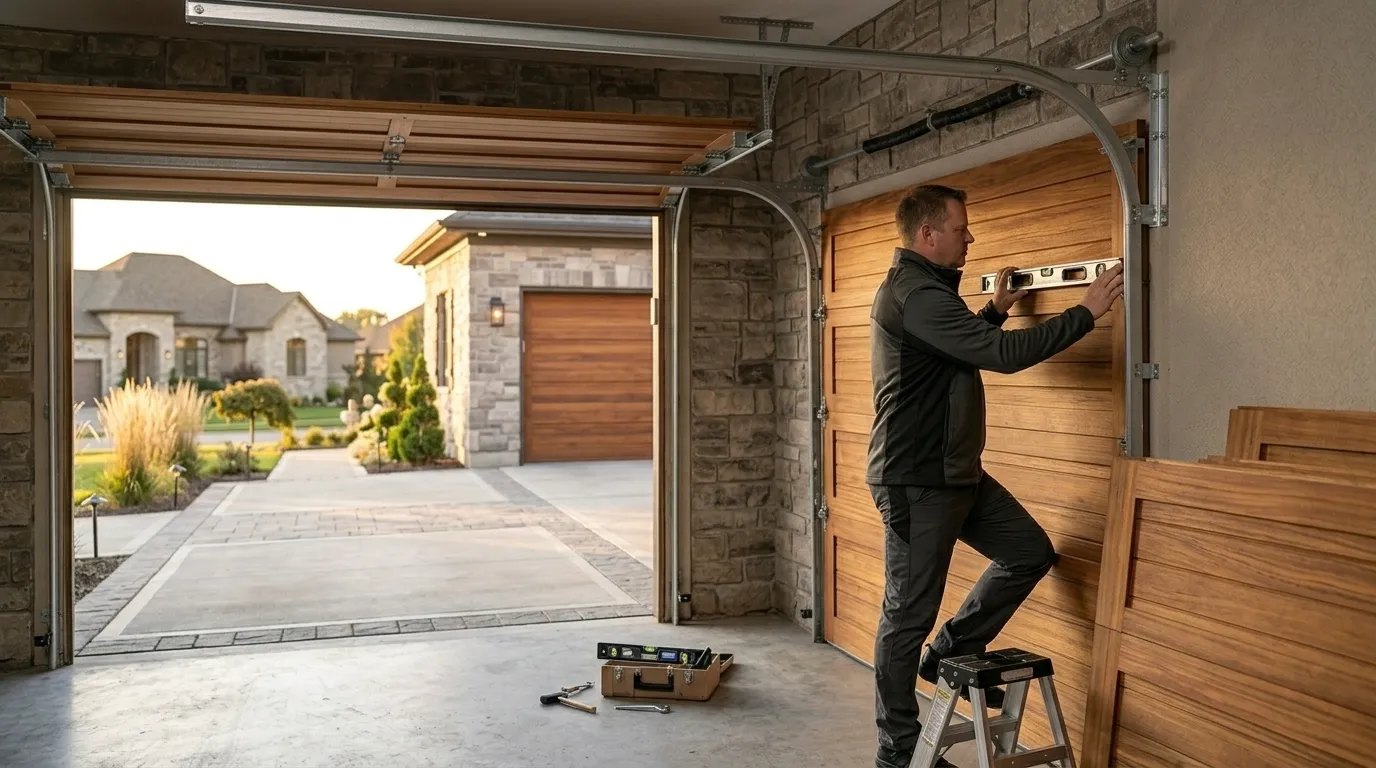
A repair stops making sense the moment you're stacking new parts on a track or frame that's already out of square. On houses from the 1940s and 50s especially, we sometimes get a track adjustment call and find the real problem is the header above the opening has settled - no amount of roller replacement fixes that. We'll tell you when that's the case instead of billing you for a patch that fails again in six months. Same goes for a spring replacement on a door that's already delaminating or a panel that's rusted through at the bottom - cold-climate freeze-thaw cycles do that to steel doors over the decades, and at some point the door itself is the weak link, not the hardware. If your opener is original to a 1950s or 60s install, parts for it likely don't exist anymore, and we'll say so rather than chase a repair that has no supply chain behind it. We don't sell replacement as the default. We sell it when the numbers actually favor it - when the labor and parts on a repair start closing in on what a new door costs, or when the fix won't hold given what's underneath it.
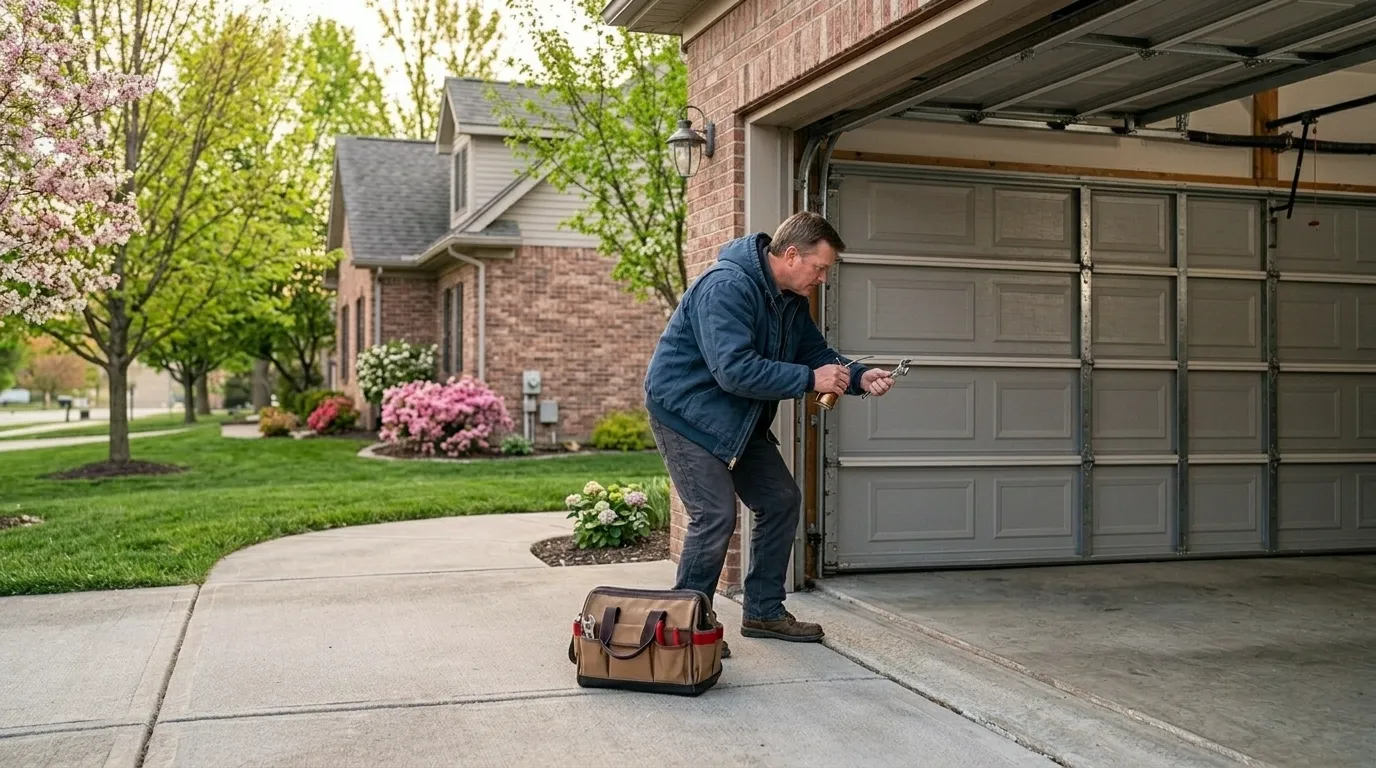
This is a cold-climate service area, and the severe end of that band matters for garage doors specifically - steel expands and contracts, insulation seams open up, and torsion springs lose tension faster in unheated garages that swing through a wide temperature range every winter. Combine that with a housing stock where the median home was built in 1956, and you get doors and openers that were never engineered for the loads or cycle counts we ask of them today. A lot of these original setups used lighter-gauge steel and single-torsion spring systems on double-wide openings, which is a setup that struggles once the door's insulation starts absorbing moisture from decades of temperature swings. We see this pattern across the pre-1960 stock in most of the 86 named areas we cover, not just on one street or one subdivision. Newer builds in the mix, from the later stretch of that 1938-1997 range, tend to have better-sealed doors but still run into the same cold-weather spring fatigue. Knowing which era a house falls into tells us most of what we need before we even open the panel.
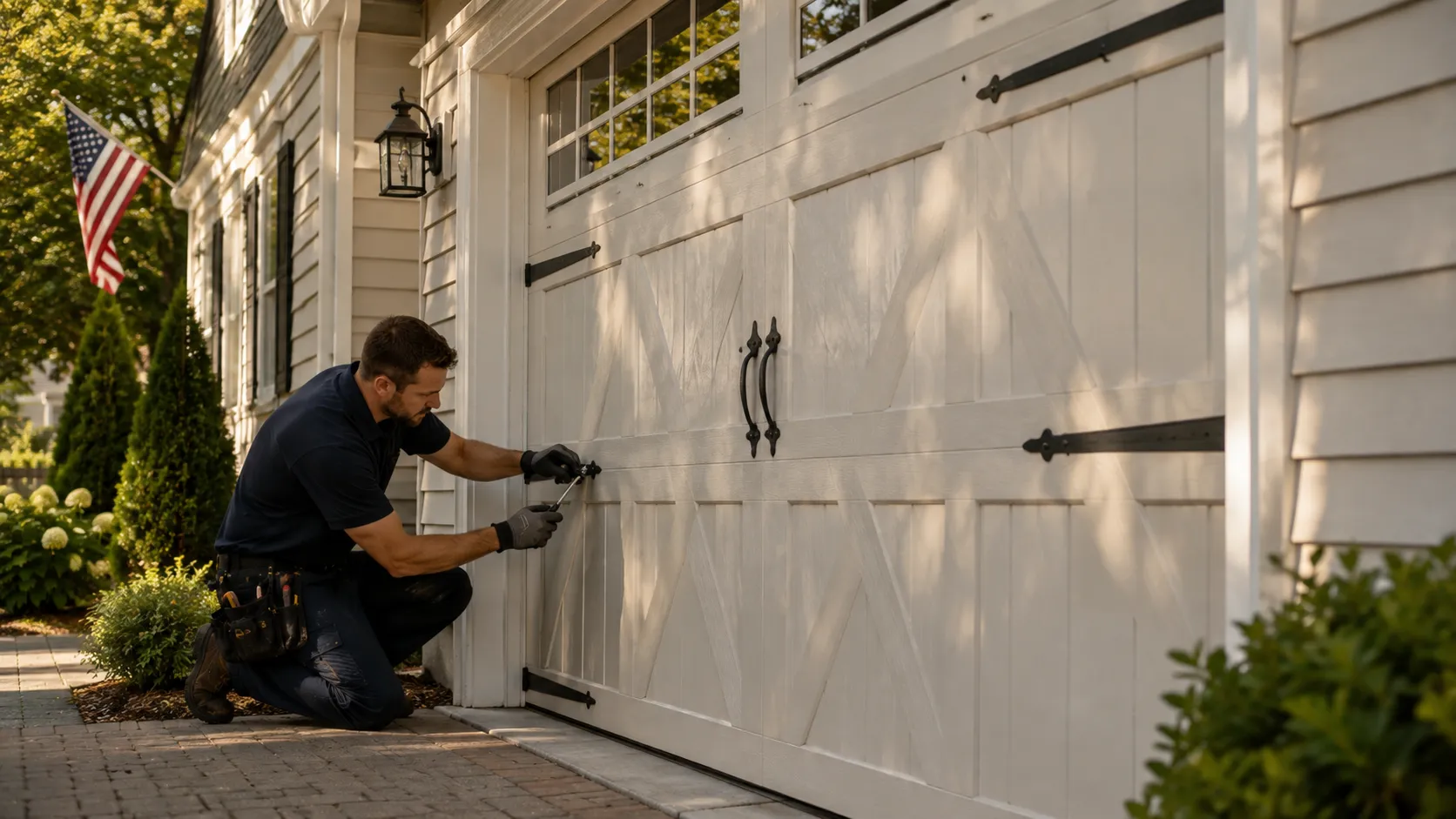
You call, you describe what the door's doing - won't open, opens crooked, makes a bang and stops, opener runs but the door doesn't move - and we ask a few questions about the house's age and whether anyone's touched the springs or track before. That's usually enough to know what's likely wrong before a truck rolls. On site, we test the door under power and by hand, check spring tension, look at the track alignment and the condition of the rollers and cables, and tell you straight what we're seeing. If it's a straightforward fix - a broken spring, a bent track, a burnt opener board - we quote it on the spot. If there's something bigger going on, like a header issue or a door that's not salvageable, we say that too, with the reasoning, not just a number. No pressure to decide standing in your driveway. You get the same walkthrough whether you're in Cherry Hill proper or one of the towns we cover further out, like Moorestown or Delran.
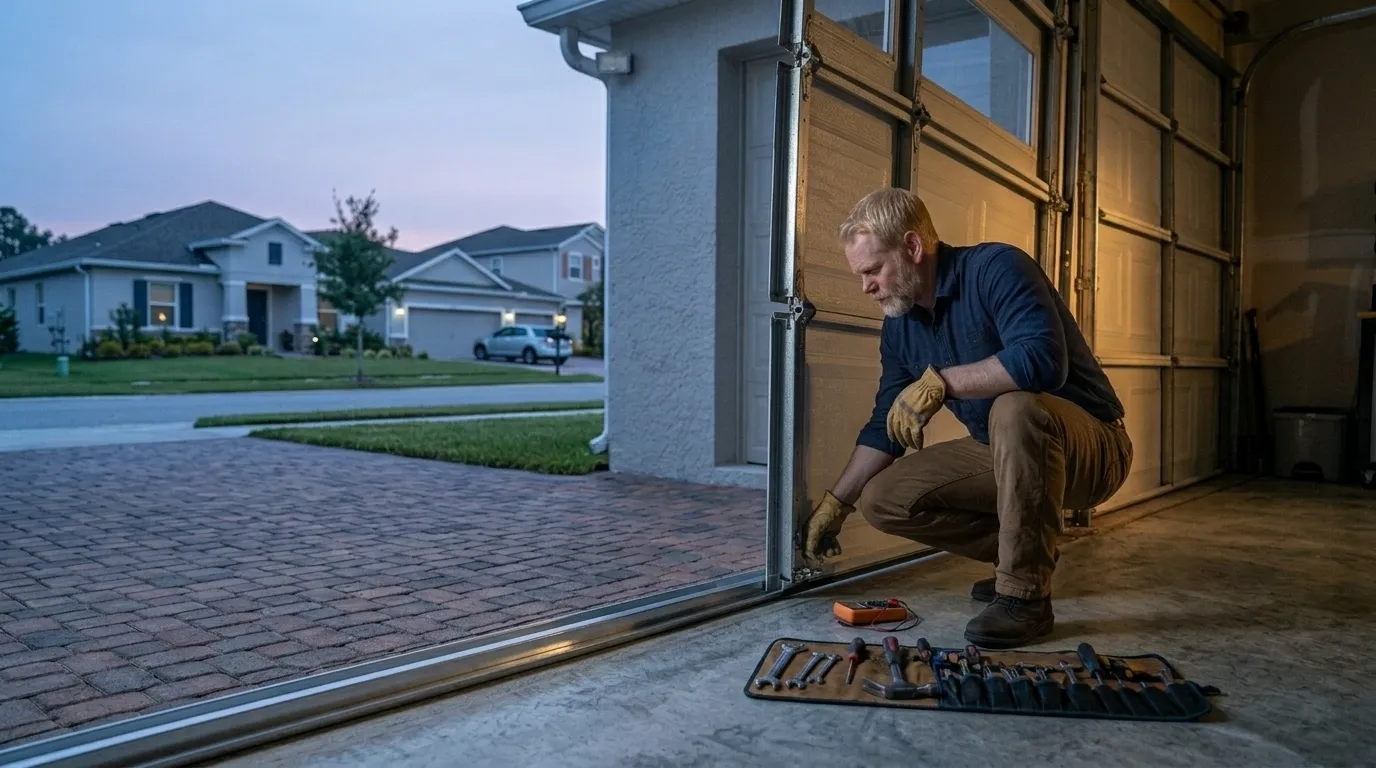
Broken torsion springs top the list, especially on double doors from houses built before 1960 where the original spring sizing is undersized for how the door's been used for decades. Bent or misaligned tracks come in close behind, often from a car bumping the door or from the slow settling that happens in houses built on this area's older foundations. Opener failures are common on anything original to the house - capacitors and circuit boards from that era don't last, and once they go, the whole unit usually needs replacing rather than repairing. Cable failures and worn rollers round out most calls, particularly on doors that see daily use in a cold-climate garage where metal fatigues faster than people expect. We also get calls for panel damage - dents, rust-through at the bottom edge, sections that have delaminated from moisture cycling through the winters here. Across the towns we serve, from Cherry Hill out to Riverside and Willingboro, the mix of problems tracks pretty closely with how old the house is and how exposed the garage is to winter swings, which is why we ask about the build year before we ask much else.
Good to Know
On older houses in this area, torsion springs were often sized for lighter door construction than what's on the opening now, or they're simply original and past their cycle life. Combined with cold-climate temperature swings that fatigue steel faster, a spring rated for a certain number of cycles reaches that limit sooner here than in a milder climate.
If the opener is original to a house built in the 1950s or 60s, parts for it are usually not available anymore. We'll check the model and circuit board condition on site and tell you honestly whether a repair is realistic or whether replacement is the only real option.
Yes. We cover the surrounding area including Cinnaminson, Riverton, Moorestown, Delran, Riverside, and towns further out like Willingboro, Bensalem, and Abington, where the housing stock and climate conditions are similar to what we see closer to home.
If the door feels heavy or won't stay open partway, that usually points to a spring problem. If the door moves unevenly, drags on one side, or makes grinding noise, that's more often a track alignment issue. We confirm on site rather than guess over the phone.
Call now or request a free quote - same-day service on most repairs, upfront written pricing.