Cherry Hill, NJ · Garage Door Service
Abington's garage doors date to the 1956 building wave. See what actually fails on that hardware and how a maintenance visit from Cherry Hill, 13 miles out, catches it.
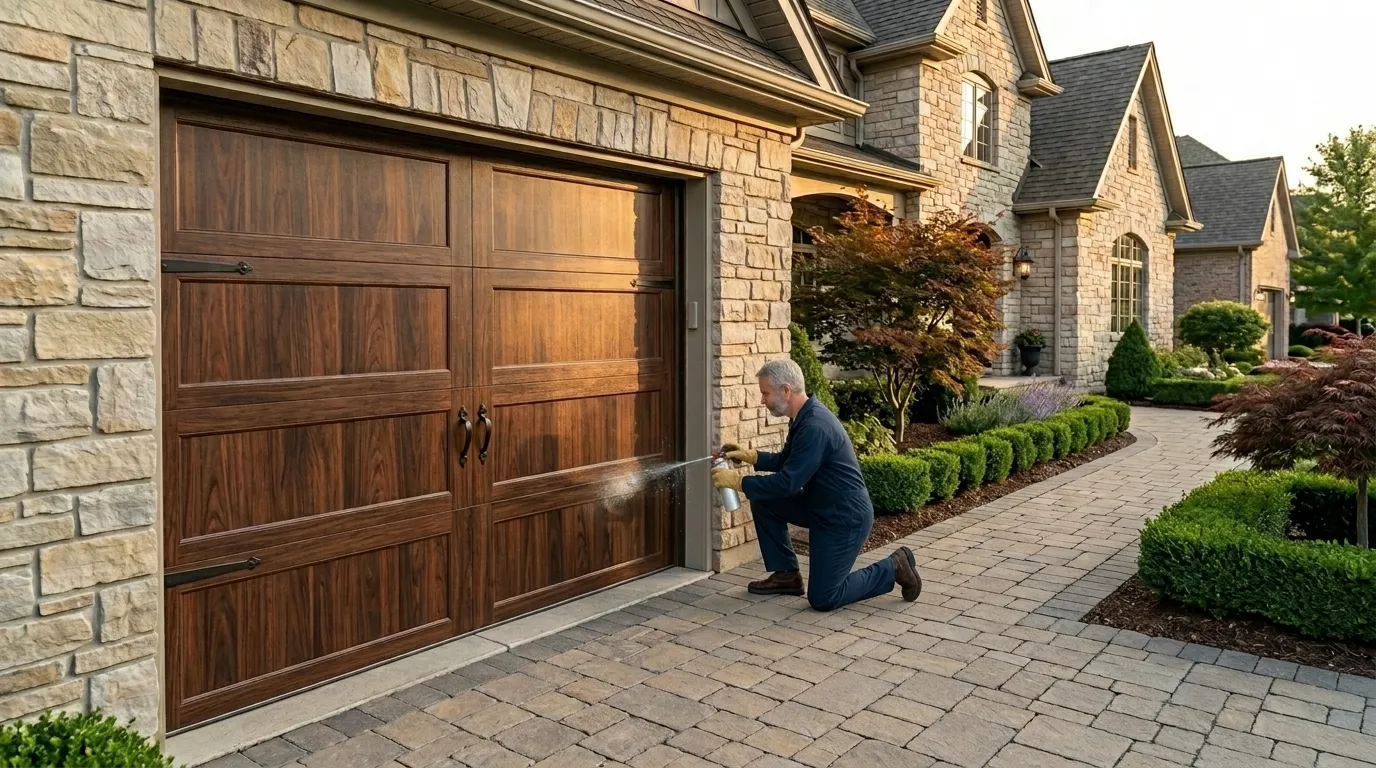
The call we get from this part of Abington usually starts the same way: the door hesitates halfway up, or it slams the last six inches down instead of settling. That's not a mystery opener glitch. It's a torsion spring that's lost tension doing a job it was never built to do for this long.
Here's why it's specific to this town. The median home in Abington went up around 1956, and most of the surrounding stock falls in that same pre-1960 wave that's common across this region's 86 named areas. Doors and hardware from that era were sized for lighter, single-layer panels. Decades later, a lot of those original torsion setups are still hanging on side-mounted brackets that nobody manufactures new parts for anymore. When the spring finally gives, it doesn't fail gently - it drops the door weight onto whatever's left holding the track, usually a cable or a roller that's already worn thin.
If your door is doing this, it's not an opener problem. It's the spring, and it's been building toward this for years.
A maintenance visit isn't a repair call dressed up - it's the thing that keeps the repair call from happening. We check spring tension against the door's actual weight, not a factory spec sheet from a door that's been swapped panel by panel over sixty years. We inspect the cables for fraying at the drum, check roller wear where the track has developed a lip, and lubricate the hinges and hardware that dry out over a winter.
On a 1950s-era door, we're also looking at whether the bottom brackets and end bearing plates are original. If they are, we flag it. We don't replace hardware that's still doing its job just because it's old, but we tell you honestly when a bracket is a spring-loaded snap risk waiting for the next cold morning.
We drive out from Cherry Hill for this, about 13 miles each way, so a maintenance visit gets scheduled rather than walked-in on. That's fine for planned upkeep - it's not something you want to be waiting on with a door that's already sagging on one side.
Abington sits in a cold-climate zone with real winter severity, and that matters more here than it would somewhere with a milder season. Grease in old rollers stiffens when temperatures drop, and a torsion spring under tension in a cold garage doesn't flex the way a fresh one does - it's more likely to snap outright than stretch and warn you first.
Pair that with the housing stock: doors from the 1956 build wave were installed with hardware rated for a lighter build than what's often on the door now, after a panel replacement or an added insulation kit. Abington has 22,416 households, and a meaningful share of those are still running some version of that original torsion setup. It's not a defect - it's just hardware that's outlasted its intended service life and is now working harder than it was designed to.
At a median household income of $103,367, a lot of owners here can afford to get ahead of it with a maintenance plan instead of waiting for the spring to go on a Saturday morning with the car half in the driveway.
Lubricating hinges and rollers yourself is fine - a can of the right lubricant and ten minutes twice a year won't hurt anything. What you shouldn't touch is the torsion spring itself. It's under enough tension to break a bone or worse, and on a door this old, the bracket holding it might not be rated for the tools you'd use to wind it back down.
We'll also say plainly where maintenance stops being worth it: if the door has already dropped unevenly or a cable has visibly frayed, that's not a tune-up anymore, that's a repair call, and doing a maintenance visit first just delays the fix you actually need. Know which one you're looking at before you book.
Once a year is standard, ideally before winter sets in, since cold stiffens lubricant and makes worn hardware more likely to snap rather than wear gradually. If your door was installed with original 1950s-era hardware, twice a year is worth considering.
No. We're based in Cherry Hill and drive out to Abington, about 13 miles, for scheduled visits. That means maintenance gets booked ahead rather than same-day walk-in, which works fine for planned upkeep.
Not inherently, but an original spring from a home built around 1956 has likely exceeded its cycle life. It can fail without warning under tension, especially in cold weather, so we check tension against the door's current weight during a maintenance visit.
Yes. Lubricating hinges, rollers, and the track rail is safe to do yourself and helps between professional visits. Just avoid touching the torsion spring or its brackets - that part carries real tension and isn't a DIY adjustment.
Call now or request a free quote - same-day service on most repairs, upfront written pricing.