Cherry Hill, NJ · Garage Door Service
Cherry Hill homes mostly date 1938-1997 with a 1956 median build year. That age and the cold climate band shape what a replacement door actually needs to do here.
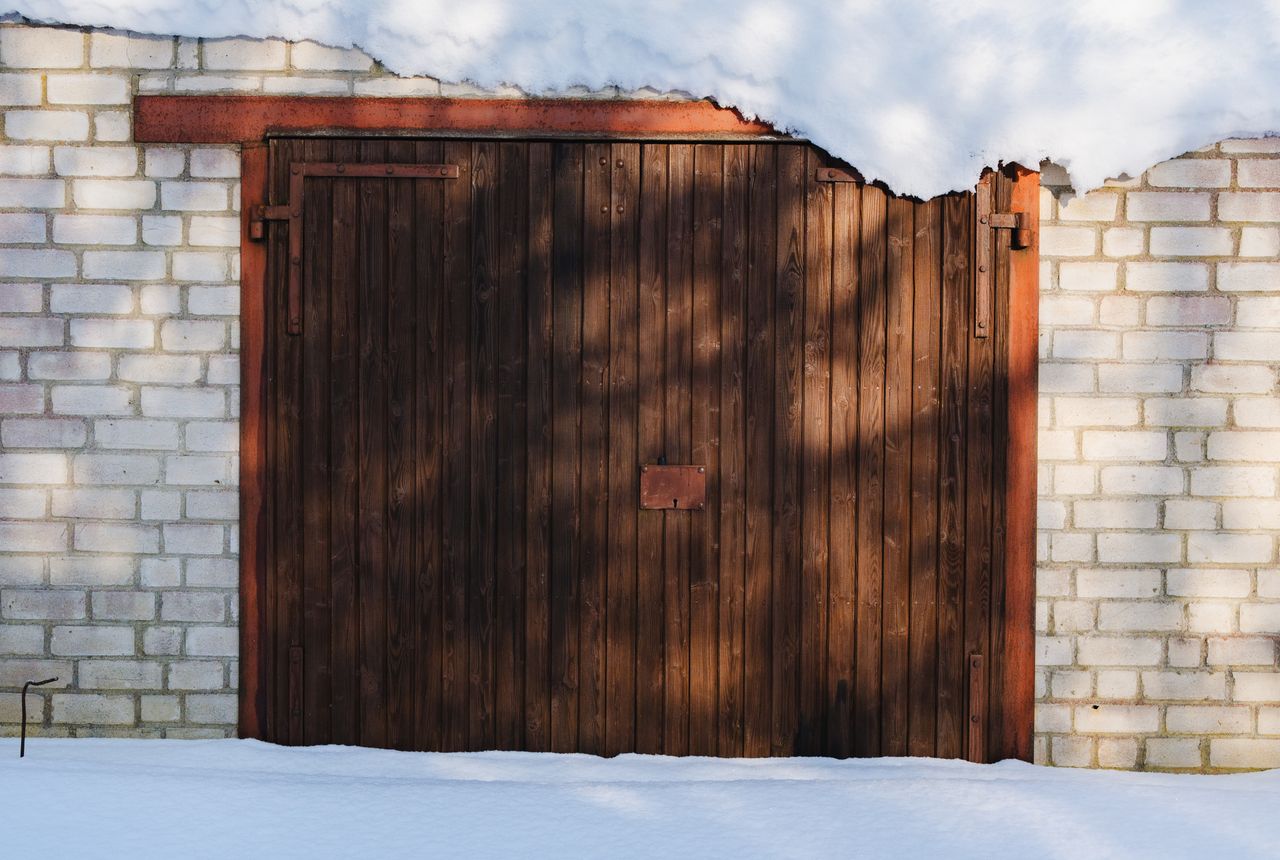
Cherry Hill's housing stock runs from 1938 to 1997, with a median build year of 1956. That single number matters more than most people think when they're shopping for a replacement door. A house built in the mid-1950s wasn't built to any insulation code that exists today, and the garage that came with it usually wasn't either. The opening itself is often a non-standard size by current manufacturer specs, the header framing was sized for a lighter door than what's sold now, and the wiring for an opener, if one was ever added, was almost always retrofitted rather than planned in.
On top of that, this whole region sits in a cold-severe climate band. That combination - an old opening plus real winter cold - pushes the decision away from a straight swap and toward asking what the door needs to do differently than the one it's replacing. A steel door with a foam core handles temperature swings and reduces noise transfer into an attached garage far better than the uninsulated single-layer doors that shipped standard through the 1950s and 60s. If your house falls into that pre-1960 majority that makes up most of the area's stock, assume your current door predates any insulation standard worth mentioning.
Most of the calls we get about "just replace it" start as a spring or track problem on a door old enough that parts availability becomes the real issue, not the repair itself. Given that this area's housing is mostly pre-1960 stock, a lot of these doors are original or close to it - meaning hardware that was never updated to current spring cycle counts or roller standards. When a torsion spring on one of these lets go, the honest answer is sometimes that the door and track together are past the point where patching one part makes sense, especially if the opening itself has settled or shifted with the house over sixty-plus years.
With median household income in the service area around $100,130 and 162,613 owner-occupied houses among roughly 369,881 households, replacement is a real, common decision here, not a rare one. It's not a sign anything went wrong - it's what happens when a door built for a 1950s garage meets sixty-plus winters. We'll tell you plainly when a repair will hold and when it's borrowing time, because a $200 fix on a door that's going to need the same fix again next winter isn't a favor to anyone.
Cold-severe winters are the main stress test a door in this area faces. Steel contracts in the cold, and on an older door with a worn bottom seal, that contraction opens gaps that let wind straight into the garage - and if that garage shares a wall with living space, into the house. Panels that were fine in October can start binding on the track once temperatures drop and lubricant thickens, which is a common reason for a January service call that has nothing to do with the spring itself.
Spring and fall are when small issues from winter show up as bigger ones - a bent track from ice buildup, a roller that seized and wore a flat spot, hardware that rusted where road salt and moisture sat against it all season. Summer humidity swells wood-trim doors and jamb framing, which on an older Cherry Hill house can mean a door that dragged all winter suddenly sticks in a different spot in August. None of this is dramatic, but on a house from the 1950s-through-70s range that makes up most of this area, it's cumulative - each season adds a little more wear to hardware that was never top of the line to begin with.
Before you call anyone, a few things you can check yourself take five minutes. Look at the bottom seal for gaps when the door is closed - daylight showing through on an older door usually means the seal has hardened past useful life, which is common on doors that predate the 1990s. Check the track for rust pitting or bends, especially near the bottom rollers, since salt exposure over decades of winters is the usual cause here. Listen for grinding versus popping when the door runs; grinding is usually rollers, popping is usually the spring, and neither gets better on its own.
One honest limitation: we can't tell you over the phone whether a 1950s-era opening will take a standard-size replacement door without some framing work, because that depends on exactly how the garage was built and whether it's been modified since. That's a measurement job, not a guess. If your door is original to a house from that mid-century wave, budget for the possibility that the opening itself needs attention, not just the door hanging in it.
Given that most housing in this area was built between 1938 and 1997 with a median year of 1956, it's common for older homes to still have their original door or one from an early replacement cycle. If you don't have records, hardware style and spring type are usually the best clues, since standards changed over the decades.
Yes. This area sits in a cold-severe climate band, and an uninsulated older door loses a lot of its seal integrity in low temperatures. If you're repairing an old door every winter, an insulated replacement often ends up cheaper over a few seasons than repeated cold-weather service calls.
Often, but not always. Openings on houses from the pre-1960 majority in this area were sometimes framed to different dimensions than today's standard sizes. We measure before quoting a replacement rather than assuming a stock size fits.
If the spring, track, and panels are all showing wear from age rather than one isolated failure, replacement usually costs less over time than fixing each part as it fails. We'll tell you honestly which situation you're in rather than defaulting to the bigger job.
Call now or request a free quote - same-day service on most repairs, upfront written pricing.