Cherry Hill, NJ · Garage Door Service
Cherry Hill homes built between 1938 and 1997 split between detached and attached garages. Here's how that difference changes what breaks and when, given our cold-winter climate.
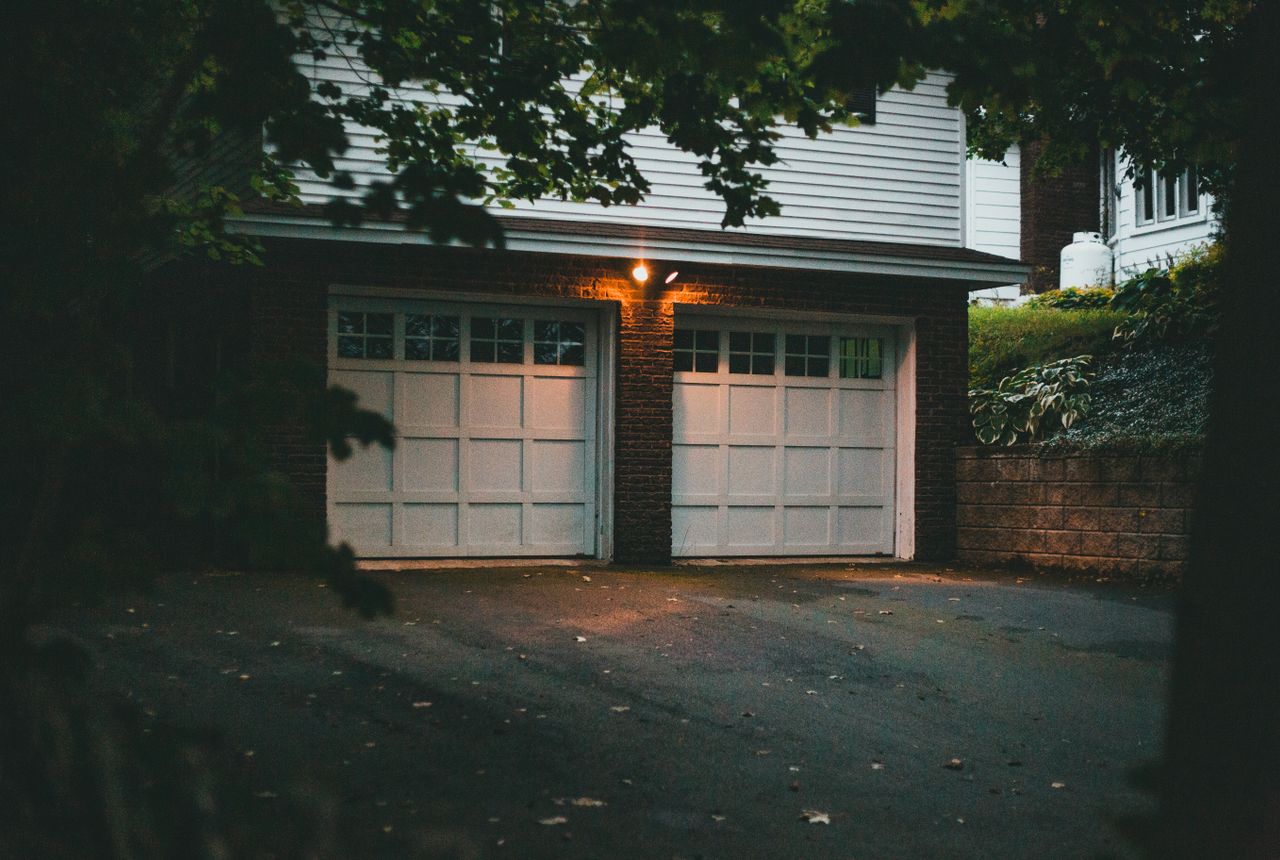
Cherry Hill's housing stock runs from 1938 to 1997, with a median build year around 1956. That range matters more than people think, because it's the difference between a detached garage set back from the house on its own footing, and an attached garage sharing a wall and a slab with living space. Older sections of town, going back to the late 1930s through the 1950s, lean detached - a separate structure with its own unheated interior. Homes from the 1960s onward, especially into the 70s, 80s, and 90s, were built with attached garages as standard, often with a room overhead or beside them.
A detached garage door faces outdoor temperature swings on both sides. There's no furnace bleed, no shared wall keeping the far side of that door warmer than the air outside. An attached garage door has one side warmed by proximity to the house, even without direct heating vents, which changes how the door itself expands, contracts, and seals through a New Jersey winter.
This isn't a cosmetic difference. It shows up in what parts fail first and how often you're calling someone out. A detached door on an unheated structure sees wider daily temperature swings on the hardware - hinges, rollers, torsion springs - because nothing buffers it. An attached door sees less swing but more condensation risk where warm household air meets a cold panel.
With a climate band classified as cold and severe, the mechanical parts on any garage door in Cherry Hill work through a wider stress range than they would somewhere temperate. Steel contracts in the cold. Torsion springs lose a measurable amount of lifting force when they're cold-soaked, and that effect is worse on a detached garage where there's no adjacent heat source at all.
On attached garages, the more common problem isn't the spring - it's the seal and the panel. Warm, moist air from the house side meets a door skin that's cold on the outside face. Over a New Jersey winter that plays out as condensation on the inside of the door, and on steel doors without a thermal break, that moisture finds the lowest point and sits there. On older homes from the 1938-1997 range, insulation retrofits weren't always done to the garage, so this shows up even on doors that look newer than the house.
Detached garages skip the condensation problem but take the brunt of temperature swing on hardware. Nylon rollers crack sooner. Torsion spring cable can go brittle at the ends where it wraps the drum. Neither problem is dramatic day to day, but both accelerate wear compared to a door in a climate that doesn't swing this hard.
Late fall through winter is when the difference between attached and detached shows up most. On a detached garage, expect the door to feel heavier to lift by hand on the coldest mornings - that's the torsion spring losing tension in the cold, and it's worse on an unheated structure than one sharing a wall with the house. If you're opening and closing a detached garage door daily through a Cherry Hill winter, the spring is working outside its comfortable range every single day it's under 30 degrees.
On attached garages, winter is when condensation shows up on the inside panel face, especially if the garage is used to store anything that holds moisture - firewood, a car brought in wet from snow. That moisture sits against steel and, given the age of a lot of the housing stock here, against door skins that may be original to a 1960s or 70s build with no thermal break at all.
Spring and summer ease the load on both types. Warmer air means springs return closer to rated tension and condensation risk drops. That's also the easier season to get panel and seal work done before the next cold stretch, since the parts you'd replace aren't under active stress from temperature.
On a detached garage, lift the door halfway by hand with the opener disconnected. It should stay roughly in place. If it drops or you feel real resistance, the spring is under-tensioned for the cold - common on older detached structures with no buffer from the house. Check roller condition too; on a detached garage the rollers take more temperature swing and nylon rollers over eight or ten years old are worth a look regardless of how they sound.
On an attached garage, run your hand along the bottom edge of the inside panel face on a cold morning. Damp or beaded moisture there means condensation is forming, which over years can affect the bottom section more than the rest of the door. Check the weatherstripping at the bottom and sides for gaps - on homes from the earlier end of the 1938-1997 range, original seals are long past useful life.
One limitation worth being honest about: we can't tell you from a description alone whether a spring is failing or just cold-stiff. Both feel heavy. If a door that lifted fine in October is a struggle in January, that's often just temperature, not damage - but if it's heavy in July too, that's a spring issue worth a real look, not a seasonal one.
Generally yes. A detached garage has no shared wall with the house, so the door and its hardware feel the full outdoor temperature swing on both sides. Torsion springs lose lifting force in the cold, and that effect is more pronounced on a structure with no adjacent heat source at all, which is common in Cherry Hill's older sections.
That's condensation from warm, moist household air meeting a cold panel face. It's more common on older steel doors without a thermal break, which shows up often in homes built in the earlier decades of Cherry Hill's 1938-1997 housing range even if the door itself was replaced more recently.
It tells us the likely garage configuration. Cherry Hill homes from the 1930s-50s were more often built with detached garages; homes from the 1960s onward typically have attached garages. That affects which parts take the most seasonal stress, though it doesn't tell us the door's own install date.
Not reliably. A door that's heavy to lift only in the coldest months is often just cold-stiff hardware, not a failing spring. A door that's heavy year-round points to an actual spring problem. We'd want to look at it rather than guess from a phone description.
Call now or request a free quote - same-day service on most repairs, upfront written pricing.