Cherry Hill, NJ · Garage Door Service
Cherry Hill's housing stock runs 1938-1997, mostly pre-1960 - before insulation codes existed. Here's what that means for garage doors in a cold-climate town.
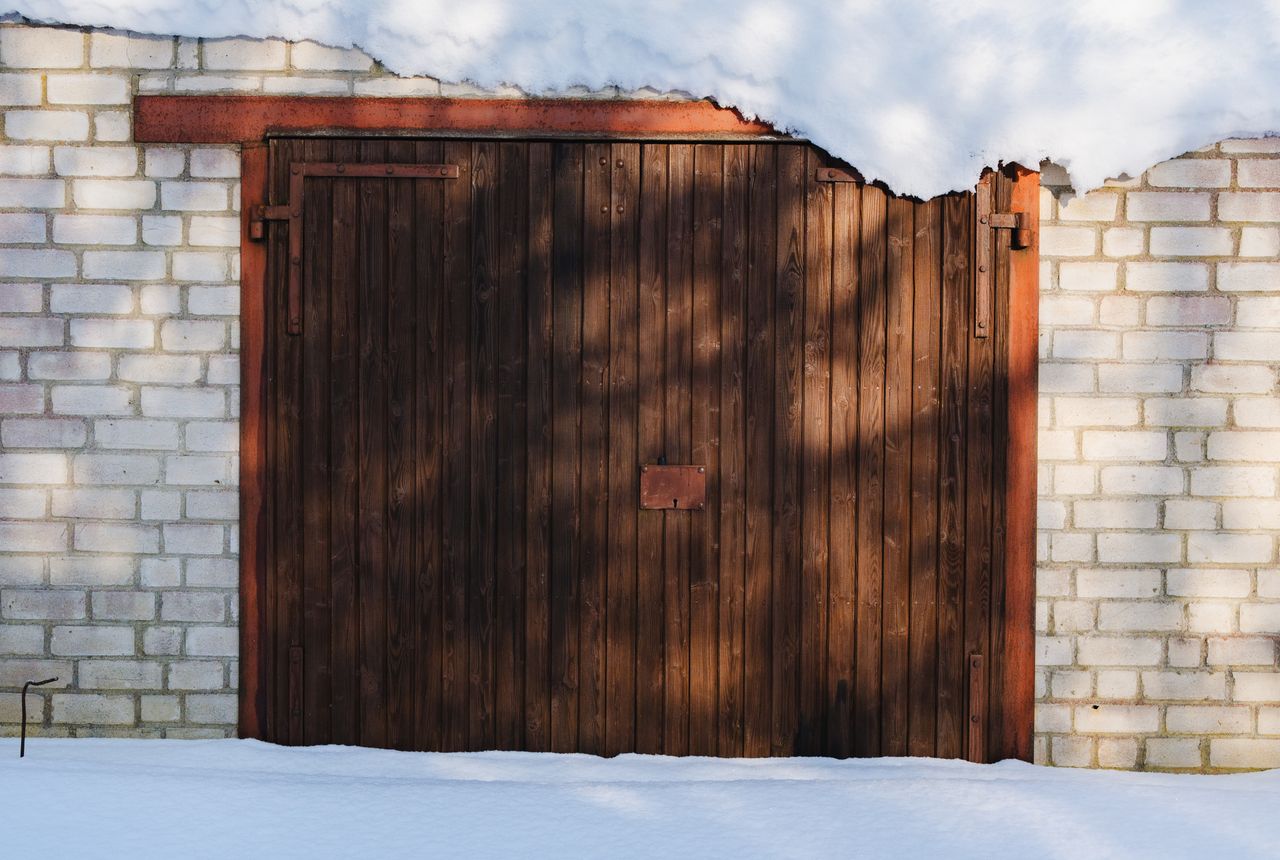
Most houses around Cherry Hill went up between 1938 and 1997, with a median build year of 1956, and the surrounding area is still mostly pre-1960 stock. That matters more for a garage door than almost anything else in the house, because insulation requirements for garages didn't exist when these were framed. The door was an afterthought - a panel to keep rain out, not a thermal barrier. Original openings were cut to fit steel or wood slab doors with no weatherstripping channel and no room for a modern insulated panel without shimming the track.
On a house from that era, the garage often shares a wall with a bedroom or sits under living space, which was a common layout choice at the time and one builders wouldn't get away with under today's energy code. If your door is original or close to it, you're not just looking at an old door - you're looking at a house built on the assumption that garages don't need to hold heat. That assumption is exactly what the region's cold winters punish. A single, uninsulated slab door on a 1950s frame lets more cold into the house than people expect until they replace it and feel the difference in the room next to it.
This is also why a straight swap-in replacement sometimes doesn't fit right - the opening itself may be slightly out of square after decades of settling, which an insulated door with tighter tolerances will show up fast.
The service area sits in a cold, severe climate band, which means the freeze-thaw cycle is doing real work on hardware every winter, not just an occasional cold snap. Steel torsion springs lose tension faster when they're cycling through repeated cold mornings, and old grease in the coils gets stiff enough that the opener has to work harder to lift a door than it did in October. On a house from the 1940s or 50s, that spring is often the original size for the original door weight - not necessarily the size for whatever heavier insulated door got swapped in at some point over seventy years.
Tracks on older installations were usually leveled once, at install, and never touched again. Decades of seasonal ground movement and a cold climate that freezes and thaws the slab edge under the track can nudge that alignment out over time. You'll see it as a roller that binds in one spot, or a door that closes a half-inch crooked. None of this is dramatic on its own. It shows up as noise, drag, or a slightly slower opener - the kind of thing that gets ignored until a cable finally lets go on a January morning, usually at the worst possible time.
**Fall** is when to deal with hardware before cold sets in - regrease the torsion spring and check that the rollers still ride the track cleanly. It's cheap work now, and it's the difference between a door that handles winter and one that doesn't.
**Winter** in a cold, severe climate band means steel contracts, lubricant thickens, and a spring under tension behaves differently at 20 degrees than it does at 70. This is the season when an old, un-tuned spring is most likely to fail, because it's already working at the edge of what it was sized for on a decades-old door. If your opener starts straining or reversing before it fully closes, that's the spring telling you it's done, not the opener.
**Spring** is thaw season, and thaw means the ground under a slab that's shifted over a winter of freezing settles again - sometimes not evenly. That's when a track that was fine in November suddenly binds. Check alignment once things warm up.
**Summer** is the easy season mechanically, but it's the best time to deal with an insulation retrofit or full door swap, since there's no cold pushing through the gaps to notice while you're mid-job.
Look at the bottom corners of the door on a cold morning - if you can see daylight or feel a draft along the weatherstrip, that seal has hardened past the point of doing its job, which is common on doors old enough to have shared this house's original 1950s-era opening. Pull the release handle with the door down and try to lift it by hand: it should feel roughly balanced, not like dead weight. If it fights you, the spring has lost tension, likely from years of cold-cycle stress.
Watch the track while the door runs a full cycle. A jump, a stall, or a section where the roller rattles louder than the rest usually means the frame has moved slightly out of level - not unusual on a house this old in ground that freezes and thaws every year.
One honest limit here: if the opening itself is out of square from decades of settling, no amount of adjustment on the door will fix that. At that point you're looking at reframing the opening, not tuning the door, and that's carpentry work beyond a garage door call.
Houses in this area were mostly built between 1938 and 1997, well before garage insulation was required. The original door was sized to keep out rain, not cold, so an un-upgraded door on an older frame will always feel like the weak point in a cold, severe winter climate.
Once a season is enough for most doors, but if your house has its original hardware from the 1950s or 60s, check more often - cold cycling wears an old spring faster than a newer one sized for current door weights.
Sometimes, with a foam kit, but on a door old enough to predate insulation standards, the panel and seals often aren't built to hold it well. A full door swap is usually the more lasting fix, though that's a bigger job than a weekend retrofit.
Call now or request a free quote - same-day service on most repairs, upfront written pricing.