Cherry Hill, NJ · Garage Door Service
Why garage door safety sensors drift out of alignment on Cherry Hill's older slab foundations and cold-severe winters, and how to check yours before it fails you.
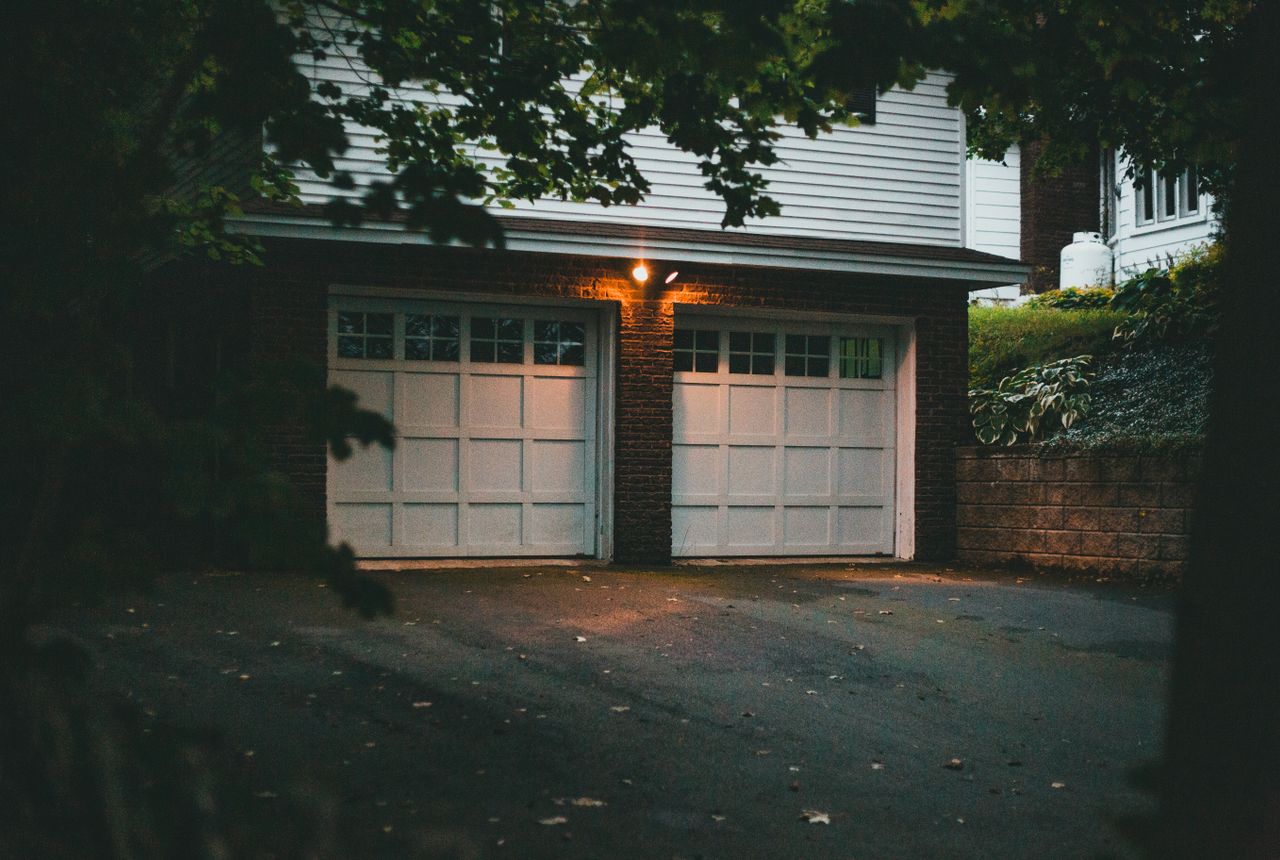
Cherry Hill's housing stock runs from 1938 to 1997, with the median build year sitting around 1956. That means a lot of the garages behind these houses sit on slab foundations poured decades ago, long before anyone worried about photo-eye sensor brackets. Slabs that old have had a lot of time to settle, and they rarely settle evenly on both sides of the opening. One side of the slab drops a quarter inch relative to the other, the track shifts with it, and the sensor bolted near the bottom of that track goes with it too. You don't see the slab move. You just notice the door starts reversing for no reason, or the light on one sensor won't hold steady. This isn't a defect in the sensor itself most of the time. It's the foundation under it doing what old concrete does in this area, slowly and unevenly, year after year. Houses built in the same run of decades tend to show the same pattern, which is why we see it as often as we do here rather than as some rare fluke.
A safety sensor is just two small units talking to each other across the opening, aiming an invisible beam a few inches off the floor. When they're aligned, a solid light shows on both. When one drifts even a couple of degrees off center, the beam clips the edge of the receiver instead of hitting it square, and the door starts acting up intermittently, which is worse than it failing outright because it's harder to diagnose. In houses from this area's build era, the brackets are often screwed straight into the original wood jamb rather than into a separate metal mount. Wood moves with humidity and temperature more than metal does, so the bracket itself twists slightly over the years, independent of anything wrong with the door or opener. Corrosion at the wire connections is the other common culprit, especially where the original low-voltage wiring was never replaced when the opener was swapped out. Older detached garages in this area still carry that first-generation wiring more often than not.
Cherry Hill sits in a cold-severe climate band, and that matters more to sensor alignment than most owners expect. Every winter the ground under an old slab freezes and heaves, then thaws and settles back, and it rarely settles back to the exact spot it started from. A sensor that lined up perfectly in October can be off by a few degrees come March, purely from that freeze-thaw cycle working on the concrete underneath it. Spring is when the complaints show up, because that's when owners notice the door hesitating or reversing without an obvious obstruction. Summer heat swells the wood jambs the brackets are mounted to, which can pull a borderline-aligned sensor back into range temporarily, so problems that started in winter sometimes seem to fix themselves for a few months. Fall is the best time to actually check alignment, before the next freeze cycle starts the whole thing over. If your sensors have been fine for years and suddenly start acting up in late winter, the slab moving is a more likely explanation than the sensor failing outright.
Look at both sensor units low on the track, one on each side of the opening. Most have a small LED that should be lit solid, not flickering. If one side flickers or won't light at all, loosen the wing nut or screw holding the bracket, and nudge it slowly until the light steadies, then retighten. Wipe the lens on both sensors first; a film of dust or a spiderweb across the eye causes the same symptom as misalignment and it's the cheaper fix to rule out. Check that nothing has been stacked or leaned in front of either sensor, since anything crossing the beam path reads the same as a door reversal. What you can't fix from the floor is a bracket that's cracked, wiring that's frayed or corroded at the connector, or a jamb that's shifted enough that the bracket screws have pulled loose from soft old wood. That's a call for a truck and it's not a five-minute job once it's past a simple nudge. For that kind of thing, see Cherry Hill Garage Door Pros.
In houses from Cherry Hill's typical build era, roughly 1938 to 1997, this is usually the slab settling further or a winter freeze-thaw cycle shifting the ground underneath, not a sudden sensor defect. The bracket moves a few degrees, the beam clips instead of connecting, and the door starts reversing or refusing to close on its own.
Yes, if the bracket is intact and the wiring is sound. Loosen the mounting screw, nudge the sensor until its light goes solid, and retighten. If the bracket is cracked, the jamb wood has softened, or the wiring is corroded at the connector, alignment won't hold and it needs a proper repair.
Could be either, and they often show up together in older Cherry Hill garages. Original low-voltage wiring left in place through opener upgrades corrodes at the connections, while an aging slab shifts the bracket itself. Checking the lens and connection first rules out the cheap causes before assuming the foundation moved.
Yes. Cherry Hill's cold-severe winters put the slab through a freeze-thaw cycle every year, and that's when most drift happens. Problems often show up in late winter or early spring even though the sensor hasn't been touched since the last check in fall.
Call now or request a free quote - same-day service on most repairs, upfront written pricing.