Cherry Hill, NJ · Garage Door Service
Cherry Hill homes built mostly before 1960 have wide gaps around garage door seals that let cold air in fast. Here's what causes draughts and how to fix them.
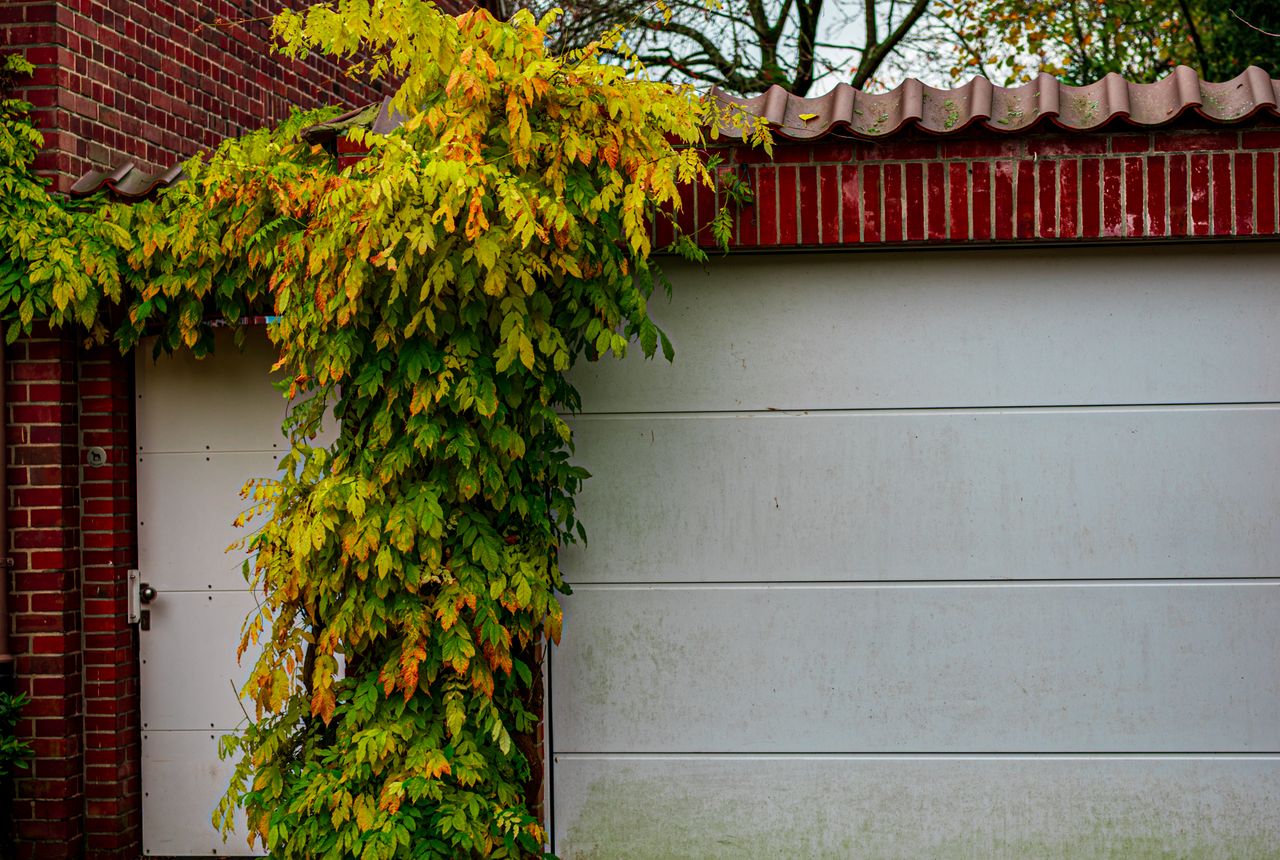
Most houses in Cherry Hill went up between 1938 and 1997, with the typical home dating to 1956. That matters more than people think, because a door built for a 1956 opening was never designed around today's vinyl bottom seal or the foam-core weatherstrip that came along decades later. The jamb was cut for whatever seal existed at the time, and over sixty-plus years that wood has shrunk, swelled, and shifted enough that even a brand-new seal pressed into an old track won't sit flush anymore.
Cherry Hill sits in a climate band rated cold and severe, which means the seal isn't just keeping rain out - it's holding a line against real winter temperature swings on a near-daily basis through the coldest months. A gap that would be a minor nuisance in a mild climate becomes a steady stream of cold air moving across the garage floor and into anything stored against that wall, including the door leading into the house on homes where the garage is attached.
Put those two facts together - old jambs, hard winters - and the pattern is predictable: draughts show up first at the bottom corners and the header, exactly where age and cold work against each other hardest.
A garage door seal fails in one of three spots, and the age of the housing stock here pushes toward specific ones. The bottom seal - the rubber strip along the floor - takes the most abuse because it's the part that flexes every single time the door opens and closes. On a house built in the 1950s or 60s, that seal has usually been replaced once or twice already, but the track it sits in has often warped just enough that a new seal never makes full contact anymore.
The second spot is the perimeter weatherstrip around the frame, called stop molding. On original construction from that era, this is often original wood with a thin foam strip tacked on, not the vinyl-and-metal combination used in newer builds. Wood shrinks with age and with each heating season, so the gap between the door panel and the frame widens a little more every winter.
The third is the panel-to-panel seal on sectional doors, which matters most on doors that have never been swapped for insulated steel. If your door is original to a house from this era, there's a real chance it's a single-layer panel door with no thermal break at all, and no amount of new weatherstripping fixes that - the draught is coming through the steel itself, not around it.
Winter is where the cold-severe climate rating actually shows up in your garage. Once temperatures hold below freezing for stretches, the wood jamb contracts and any seal that was already marginal opens up a visible gap you can see daylight through at the top corners. This is also when homeowners in older Cherry Hill housing notice the garage floor staying colder than it used to, or frost forming on the inside of the door itself.
Spring brings the opposite problem - the same wood swells back with humidity, and a seal that gapped all winter can suddenly bind or drag along the floor, which is often mistaken for a track or roller issue when it's really just seasonal movement in old lumber.
Summer is the quiet season for seals here; heat doesn't move wood the way cold and moisture do, so this is the easiest time to actually replace weatherstripping without fighting a jamb that's mid-shift.
Fall is the window that matters most. Any seal work done before the first hard cold sets in holds up better than a mid-winter patch job, because you're sealing against a jamb that's still in its summer shape rather than one already pulled tight by cold.
Close the door and walk the inside perimeter with a flashlight off. If you see daylight at the top corners or along the bottom, that's the gap letting cold air through - mark the spots with tape before you call anyone, it saves time later. Run your hand along the bottom seal from outside; if it's flat, cracked, or doesn't spring back after you press it, it's done, regardless of how it looks from six feet away.
Check the stop molding for gaps you can fit a business card into. On homes with original 1950s-60s wood jambs, some gap is normal after this many decades and isn't itself a problem - it's when that gap lets you feel moving air on your hand that it's worth fixing.
Here's the honest limitation: a new bottom seal or fresh weatherstrip won't help if the panel itself is uninsulated steel or old wood with no thermal break. In that case you're not sealing a gap, you're trying to insulate a door that was never built to hold heat, and the seal work is a smaller fix layered on a bigger one. Worth knowing before you spend money on weatherstripping alone.
If your house dates to the 1938-1997 range common across Cherry Hill, the original door seal and jamb weren't built for the vinyl weatherstripping standard now, and decades of cold-severe winters have shrunk the wood enough to open real gaps. That's usually the draught, not a new problem with the door.
It helps if the seal itself is cracked or flattened, which is common on older doors. It won't help much if the door panel is original uninsulated steel from that era - in that case the cold is coming through the panel, not around the seal, and weatherstripping alone won't solve it.
Some gap is expected on wood jambs from the 1950s and 60s after this many seasons of shrinking and swelling. It becomes worth fixing when you can feel moving air with your hand, not just see a hairline gap with a flashlight.
Call now or request a free quote - same-day service on most repairs, upfront written pricing.