Cherry Hill, NJ · Garage Door Service
Cherry Hill's housing runs 1938 to 1997, median 1956. Here's how that age and the cold-severe climate decide whether your door is worth repairing.
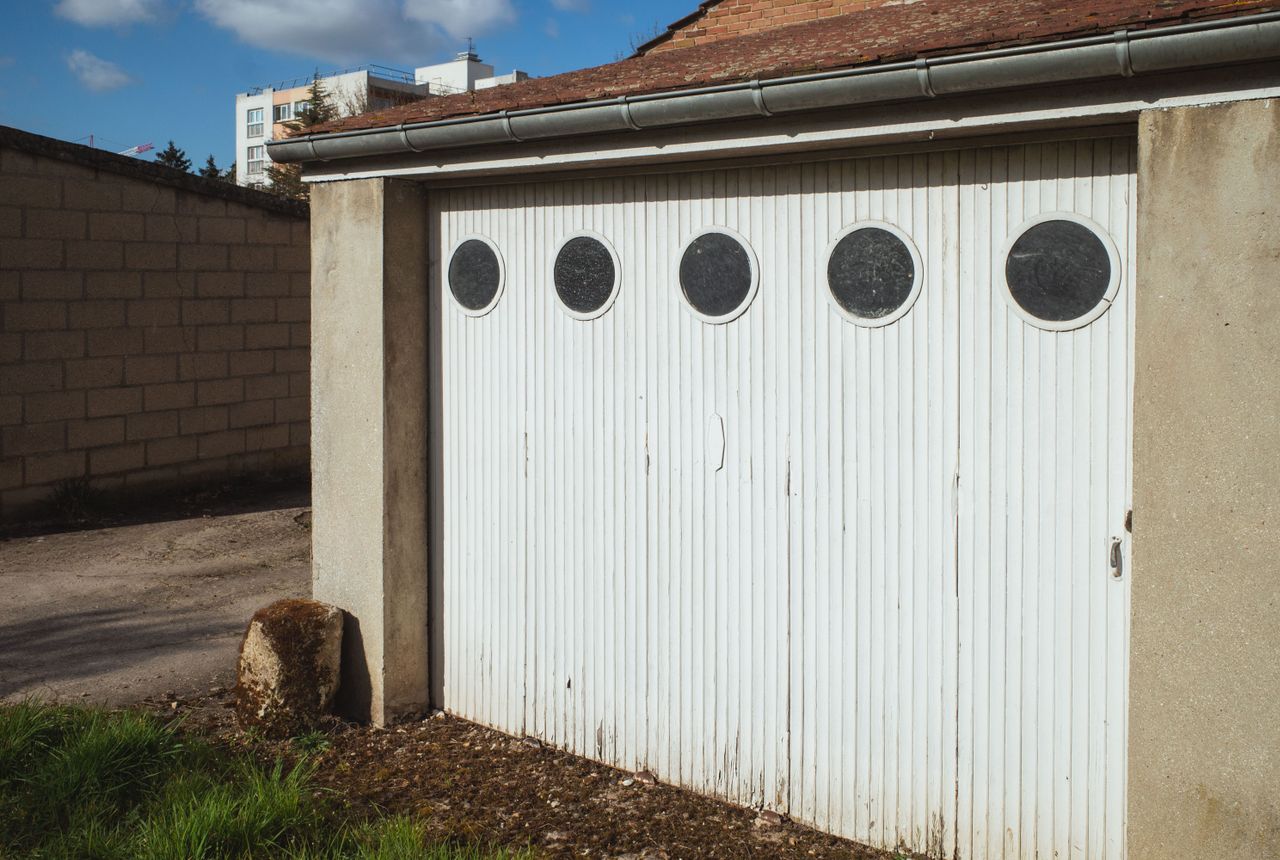
Cherry Hill's housing stock runs from 1938 to 1997, with a median build year of 1956. That single number does more to decide whether a door is worth fixing than anything else on the truck. A door original to a 1956 build has outlived its hardware by decades - the track gauge, the spring winding cones, even the panel thickness are older standards that newer opener brackets don't always mate to cleanly. Across the wider service area, the pattern holds in 86 named areas where pre-1960 stock still dominates, from Cinnaminson five miles out to Moorestown at six. That means the calculus we run on a Cherry Hill door - repair the spring, or replace the whole unit - is usually a calculus about the 1950s and 60s, not about last year's model. The region also sits in a cold-severe climate band, which matters here because steel doors from that era were built without the thermal breaks that later code required. A door that's mechanically fine can still be a bad performer in January. So 'worth fixing' isn't just about whether the parts still turn - it's about whether the door was ever built for what this area's winters do to it.
Most of the repair calls on a house built in the 1950s or 60s trace back to one of three things: a spring that was never upsized when a heavier insulated section got added later, hinges worn oval from forty-plus years of cycles, or a track that's been reset so many times it's lost its original alignment. None of that is dramatic. It's just age doing what age does to steel that flexes twice a day for half a century. The median household income across this service area is $100,130, and of the 369,881 households here, only 162,613 are owner-occupied houses - the group most likely to be dealing with a door that's older than the mortgage on the house. That combination, older door stock and a homeowner base with the means to replace rather than patch, is why we see more full swaps here than in newer subdivisions. A spring repair on a door from 1958 can run fine for another five years. It can also be the third call in eighteen months. There's no way to know which without opening it up, and we're honest about that on the phone before we're honest about it in the driveway.
In a cold-severe climate, the stress on an old door isn't steady - it comes in a few sharp windows. Late fall is when a spring that's been slowly losing tension all summer finally gives out under the first real temperature drop, because cold steel is less forgiving steel. Deep winter is when tracks that were never quite plumb start binding, as the slab underneath contracts slightly and throws the alignment off by just enough to matter. Early spring, after months of that stress, is when rollers that were already worn start shedding chunks of nylon and the door gets loud. None of this is unique to any one house - it's what a cold-severe band does to hardware that's already past its median build year of 1956. The one season that's quiet, oddly, is high summer, when steel expands slightly and a lot of the winter's binding works itself loose on its own. That's also the worst season to judge whether a door needs work, because it can look and sound fine for four months and then fail the day it turns cold again.
Before you call anyone, there are a few things worth fifteen minutes: pull the manual release and lift the door by hand. If it's heavy, uneven, or drops on one side, that's the spring, not the opener, and it's not a DIY fix - torsion springs under tension are the one part of this job we won't talk you through over the phone. Look at the track brackets where they bolt to the framing; on a house from the 1950s or 60s, those brackets have sometimes been re-shimmed over the years and the wood behind them can be soft. Run your hand along the bottom panel for rust bubbling from the inside out, common on doors from before insulated steel was standard. If the door is original to a build year near that 1956 median and you're seeing two or more of these signs together, you're past the point where one repair fixes it for good. That's the honest limit of a repair call: we can extend a door's life, but we can't undo forty or sixty years of a cold climate on steel that was never built with a thermal break.
If your house was built anywhere near the 1956 median for this area, check the panel seams and the spring mounting hardware. Original doors from that era usually have a single center torsion spring on a plain steel shaft, without the safety cable now required by code. If you see that setup, the door is likely original and past the point where repair alone extends its life much further.
Sometimes, yes. A worn roller or a frayed cable on an otherwise sound door is a cheap fix regardless of age. What tips the math toward replacement is when the spring, hinges, and track are all showing wear at once - at that point you're paying for labor three separate times instead of once.
This service area sits in a cold-severe climate band, and doors built before insulated steel sections were standard have no thermal break. The steel contracts, the seals harden, and the panel can bind in the track on the coldest mornings even when nothing is mechanically broken.
We won't repair a door where the track brackets have pulled loose from soft framing, or where the bottom panel has rusted through from the inside. Both are common on houses from the 1950s and 60s and both mean replacement, not repair, is the honest answer.
Call now or request a free quote - same-day service on most repairs, upfront written pricing.