Cherry Hill, NJ · Garage Door Service
Cherry Hill's pre-1960 housing stock and cold-climate wind loads put real stress on wide double garage doors. Here's what happens and how to check yours before it fails.
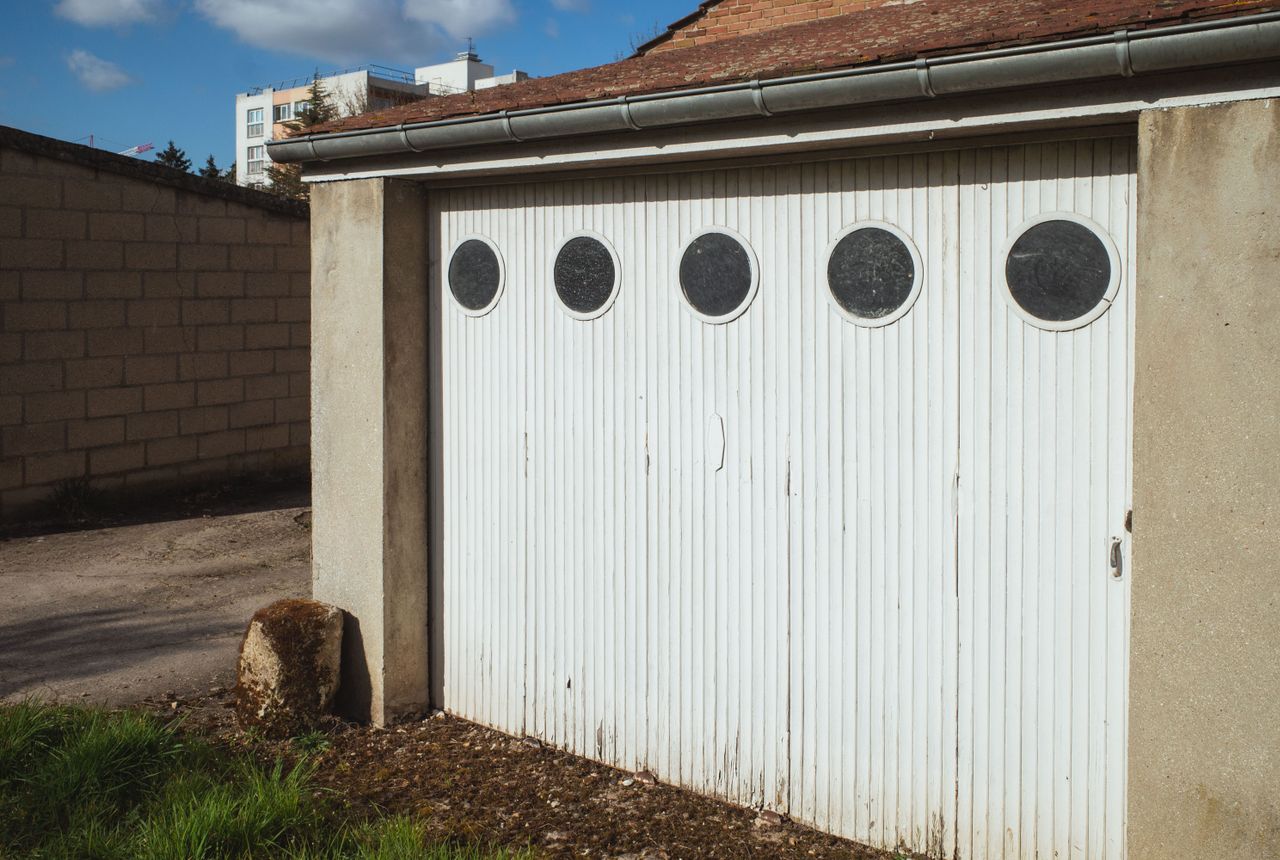
A wide double door - the kind on most Cherry Hill two-car garages - acts like a sail. Wind doesn't push evenly on a panel that size; it loads the center and pulls at the edges, and the door only stays put because of the track, the rollers, and the horizontal strut across the top section. Houses in this area were built between 1938 and 1997, with the median landing around 1956, which means a lot of these doors are riding on hardware sized for a different era of wind expectations. Building codes have changed since then, but the doors bolted into those old jambs mostly haven't. In a cold-climate zone rated severe, you also get freeze-thaw cycling on the slab and the header, which loosens the fasteners holding the track brackets to the framing over years, not days. That's the part nobody sees until the door starts walking in its tracks during a gusty afternoon. None of this means your door is about to fail. It means the margin for error on a wide double door in this area is smaller than it looks, and it shrinks a little more every winter the hardware goes unchecked.
On a single door, wind load is a manageable problem - the panel is narrow enough that the track can absorb the flex. On a wide double, the same gust translates into more leverage on the same number of roller brackets, and if those brackets were installed to 1950s-1970s spec, they're often thinner gauge than what goes in today. We see this most in the older sections of Cherry Hill, where the housing stock skews pre-1960 the way it does across most of this part of South Jersey. The failure pattern is almost always the same: a bottom bracket pulls a quarter inch away from the track, the door racks slightly out of square, and the opener starts working harder to pull it down straight. Most owners don't notice until a panel seam starts whistling or a roller starts grinding. That's not cosmetic - it's the door telling you the track is out of alignment before something snaps. A door that racks under wind load once will do it again, and each time it does, the bracket screws sit in a slightly larger hole in the jamb.
Winter is the hard season here. Cold-climate severe conditions mean repeated freeze-thaw at the slab edge, which shifts the bottom bracket anchors a fraction each cycle - small on its own, cumulative over a decade. Add wind on top of that shifted anchor point and a wide door has less to hold onto exactly when gusts are strongest. Spring brings the first real wind events after a winter of loosened hardware, which is why we see the most rack-and-bind calls in March and April, not during summer storms. Summer is comparatively easy on a garage door structurally - heat expands wood jambs slightly, which can actually tighten a loose track bracket for a few months. Fall is prep time: this is when it's worth tightening what winter is about to loosen again. If your house dates to the 1950s or 1960s, which describes a large share of homes in this area, this cycle has likely been running since before you owned the place, whether or not it's ever caused a visible problem.
You don't need tools for the first pass. Stand inside the garage with the door closed and look at both bottom corners where the roller sits in the track - you're looking for a gap between the bracket and the track wall, even a small one. Next, grip the bottom of the door and try to rock it side to side; a wide double door should feel solid, not loose at the base. Listen during the next windy day: a faint metallic tap or a rhythmic creak from the top corners usually means a strut or a bracket is working loose. What you can't check yourself is torque on the track fasteners or whether the strut across the top section is still rated for the door's width - that's a job for a torque wrench and an eye trained on old hardware, and it's also where we draw the line on DIY. We don't recommend re-tensioning torsion springs yourself regardless of what you find; that part of the job has hurt more people than any other step in garage door repair, and it's not worth the risk to save a service call.
For most doors, wind isn't a daily risk. The concern is specific to wide double doors on older hardware, common in Cherry Hill given the 1938-1997 housing stock here. A door with tight, properly torqued track brackets handles wind fine. One with brackets that have loosened over decades of freeze-thaw is the one that racks or fails during a gust.
Winter's freeze-thaw cycling loosens track bracket anchors gradually, and spring brings the first sustained windy days after that loosening. The combination shows up as racking, grinding rollers, or a door that no longer sits square - most of our rack-related calls land in March and April.
Checking for gaps and looseness by hand is fine. Actually re-torquing brackets or adjusting the strut on a wide door is a job we'd rather do with a torque wrench, since over-tightening thin, older-gauge hardware can strip the anchor point entirely.
Yes. Homes here built in the 1950s and 1960s, which is most of the area's housing stock, often still have original or early-replacement track hardware sized to older wind expectations. Newer builds in the same town generally don't show this pattern the same way.
Call now or request a free quote - same-day service on most repairs, upfront written pricing.